


By Chantelle Muzanenhamo
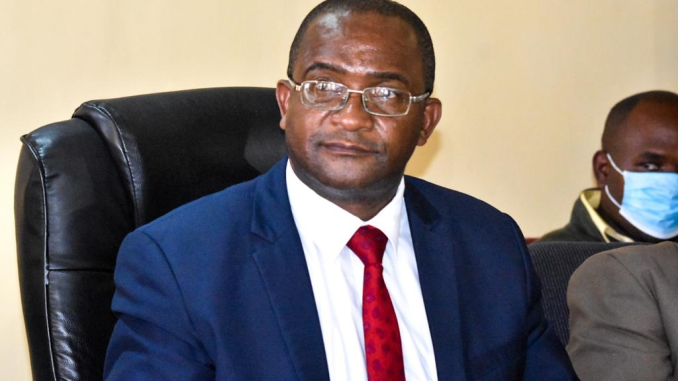
Leader of the MDC, Douglas Mwonzorahas found himself at the center of controversy following allegations that he was robbed of $2,450 by a sex worker.
The claim surfaced from a report by Zimbabwe News Channel, which suggested that Mwonzora had hired the woman and booked her into a lodge, where she supposedly drugged him, stole his cash, and two cell phones before disappearing.
The report, which cited sources among the lodge’s security staff, quickly gained traction on social media, igniting discussions and debates across the platform.
In response to these allegations, Mwonzora took to social media platform X to refute the claims, calling them falsehoods aimed at diverting attention from critical national issues.
“We stand firm against the Third Term, against the weaponisation and politicisation of food aid, and against the wanton destruction of people’s homes. No amount of vile propaganda and falsehoods shall defeat the idea whose hour has come,” he stated.
Mwonzora’s post elicited a variety of reactions. Supporters commended him for addressing the rumors head-on, while critics labeled him a sellout and urged the opposition to unite rather than allow such controversies to create divisions.
The episode underscores the potent mix of politics and media narratives in the country, where sensational claims can quickly overshadow pressing socio-political issues.
Amidst this tumult, Mwonzora appears theoretically resolved to redirect focus back to the substantive challenges facing Zimbabweans as the country approaches a critical political juncture punctuated by the third term noise and pressing economic issues reflected by an unstable local currency and inflation.