


By Chantelle Muzanenhamo
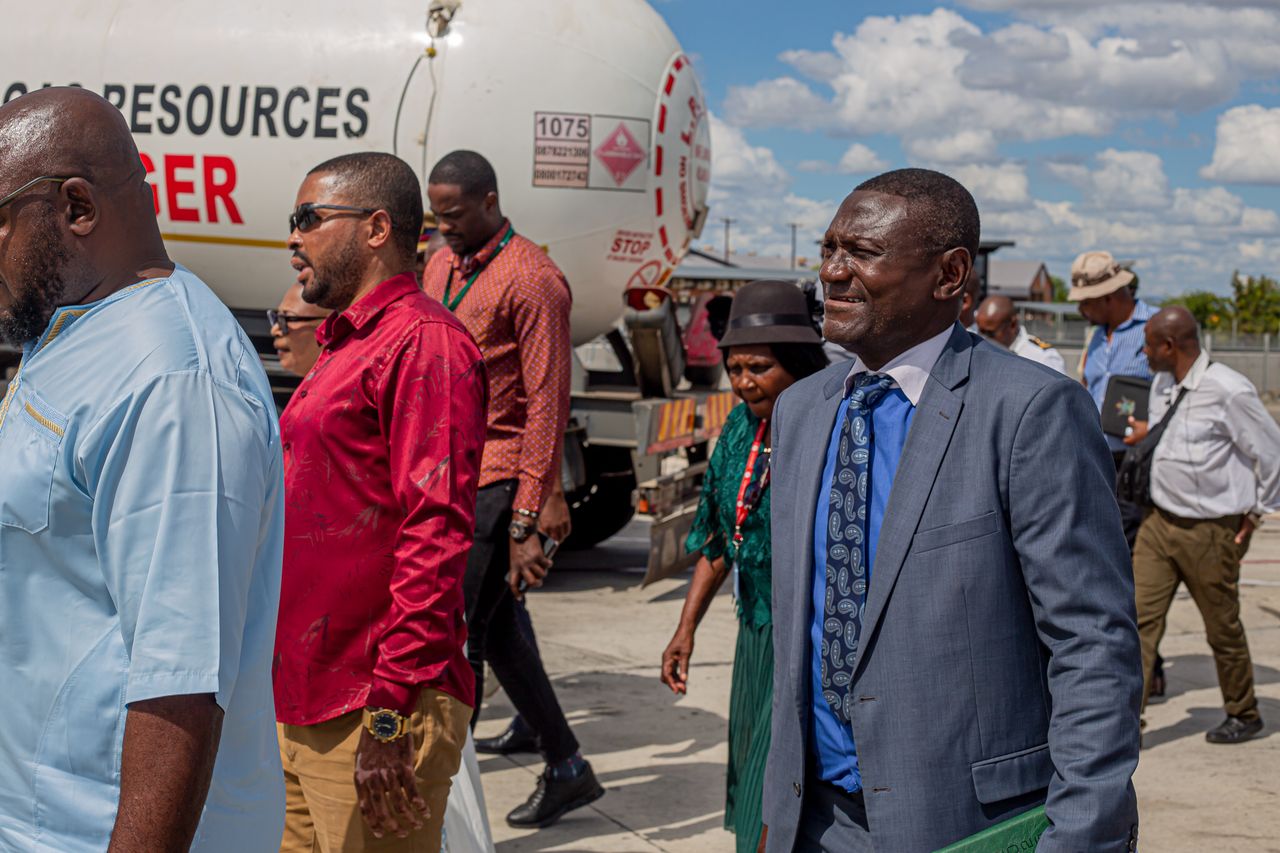
The parliamentary portfolio committee on Defence, Home Affairs, Security Services and War Veterans and the thematic committee on Peace and Security today spotlighted Beitbridge border post aiming to engage local authorities and stakeholders in a robust discussion on critical issues affecting border security.
Chairperson Albert Nguluvhe, who also serves as the Member of Parliament for Beitbridge East, articulated the inquiry’s essential goals upon visiting the busy inland port
“First, we aim to assess the measures in place to secure our border posts and combat irregular migration, human trafficking, and smuggling. Second, we seek to understand the challenges that hinder effective security operations. Lastly, we will propose recommendations to strengthen the governance and operational efficiency of our border management.”
Nguluvhe emphasized the importance of the inquiry in fostering accountability, stating, “Once the findings are compiled, we will present a report to Parliament. This will offer a strategic roadmap for enhancing border security governance throughout the nation.”
He also invoked Section 141 of the Constitution, which highlights the importance of public participation in legislative processes.
“By involving stakeholders ranging from government agencies to community members we are ensuring that diverse voices contribute to policymaking,” he added.
Among those who spoke, representatives from the Immigration Department reported on their joint efforts with various security partners to maintain border integrity.
However, Assistant Regional Immigration Officer Lucky Matyora painted a stark picture of the challenges faced.
“Despite concerted efforts, the border remains highly porous, allowing many individuals to use illegal crossing points,” he asserted.
Acting Regional Manager at ZIMRA, Josphene Uta, supported Matyora’s observations, citing a troubling rise in smuggling activities along the Limpopo River.
“The current situation is alarming, we’ve even had to resort to using drones for surveillance to manage these activities,” she said.
Uta pointedly remarked on the lack of resources, saying, “Currently, we lack vital equipment, such as scanners for vehicles and individuals, and adequate incineration facilities for confiscated goods.”
Superintendent Ndebele of the Zimbabwe Republic Police further highlighted the infrastructural challenges impacting security operations.
“While we manage 17 watch points along the river to counter illegal crossings, a lack of access roads and portable water poses serious risks to our personnel,” he explained.
He also raised concerns about the social ramifications of deportations.
“Many deported individuals are left in Beitbridge, which has contributed to rising crime rates, including theft and robbery,” he stated.
In attendance, Dr. Thokozani Khupe, Parliamentary Leader of the Opposition, along with other officials, acknowledged these pressing issues and committed to taking action.
They commended the government’s recent advancements, such as the installation of e-gates at the border, which facilitate smoother travel for legitimate travelers.
“We want to ensure that our border remains a gateway to Zimbabwe, not a point of frustration for international visitors,” Khupe stated.
The inquiry highlighted the urgent need for a comprehensive approach to the multifaceted challenges at the Beitbridge border post, underscoring the critical role that collaborative governance and community engagement will play in shaping the future of border security in Zimbabwe.