


By Evans Dakwa, News Editor
Zimbabwe has been struggling with a double decade long shortage of electricity that has recently exacerbated with new investments in mining and agriculture, as a result long hours of loadshedding has become the order of the day.
In the past, Zimbabwe’s electricity sector faced significant hurdles, including low generation capacity and a shortage of foreign currency to import electricity. Additionally, tariffs were not competitive, making it difficult for the Zimbabwe Electricity Supply Authority (ZESA) to operate efficiently. However, these challenges have largely been addressed, with commercial tariffs now in place, making it more viable for ZESA to import electricity.
Despite this progress, a significant challenge of ensuring that all consumers, including government departments and wheat farmers, pay for their electricity usage still remains.
Currently, some of these entities do not pay for their electricity, placing a strain on ZESA’s finances resulting in hundreds of millions being owed to ZESA crippling it’s ability to address the country’s power blackouts. Industry and commercial users most of whom are not on Pre-paid meters have been identified as the biggest culprits.
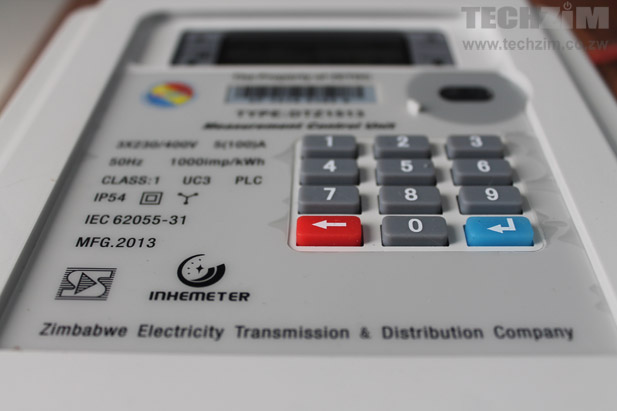
To rectify this situation, ZESA should be allowed to treat all consumers the same, it is sad that domestic users bear the brunt of loadshedding yet they are the most religious in paying as they pay before using.
Thus according to Economist Mahwani Kangausaru, “ZESA should be allowed to switch off power to any government department that fails to pay their electricity bills. Wheat farmers should also be required to pay for their electricity usage every month, the same goes for or the government can pay on their behalf and collect the costs when the produce is delivered.”
Kangausaru contends that these measures will allow ZESA to have sufficient funds to import electricity, ensuring a stable power supply.
He also urged for ZESA to be proactive and avoid future shortages by *securing mport contracts now. Failure to do so may result in Zimbabwe struggling to purchase electricity when needed. With enough foreign currency to import electricity and competitive tariffs in place, the focus should now shift to enforcing payments from all consumers.”