


By Chantelle Muzanenhamo
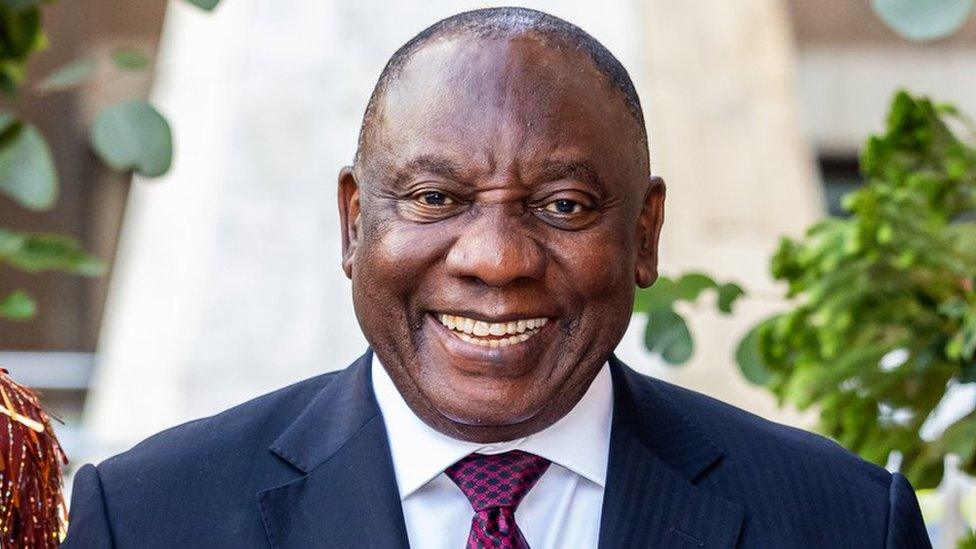
President Cyril Ramaphosa delivered a strong message against xenophobia at the Liberation Movements Summit held in Kempton Park today, urging African leaders to rethink how migration is understood and addressed in the region.
Speaking to representatives from Zimbabwe, Mozambique, Namibia, Angola, and Tanzania, Ramaphosa declared, “We must reject xenophobia in all its forms. Migration must not be seen as a threat.”
His comments come amid growing anti-immigrant sentiment in South Africa, where groups like Operation Dudula and March for March have led campaigns targeting foreign nationals particularly Zimbabweans accusing them of overloading public services and contributing to unemployment.
Ramaphosa pushed back against these claims, emphasizing that migration is often the result of deeper problems such as poverty, conflict, and global inequality. He argued that instead of blaming migrants, governments should focus on addressing the root causes that force people to leave their home countries.
“People don’t migrate by choice. It is often a matter of survival,” he said. “We need to respond with humanity, not hostility.”
The president’s speech received mixed reactions. Supporters praised his appeal to African unity and historical solidarity, while critics said he failed to acknowledge the pressures facing South African communities. On social media, backlash erupted over concerns about undocumented immigrants and their impact on public healthcare and jobs.
The summit also highlighted wider regional issues, including youth unemployment and growing inequality factors Ramaphosa warned could continue to fuel division if left unchecked. He urged liberation movements to lead with empathy and promote migration policies that prioritize human dignity.
“Our freedom struggles were built on international support. We owe it to that history to show solidarity now,” Ramaphosa added.
Whether his message will lead to concrete changes remains to be seen. Still, the speech has reopened a critical debate across Southern Africa, forcing leaders and citizens alike to confront the growing tension between national pressures and regional unity.
Ramaphosa’s call for a shift in how migration is perceived marks a clear attempt to redirect the conversation from blame to shared responsibility.