


By Ziyah News Network
Residents of Ward 5 and surrounding communities in Beitbridge East are set to benefit from a three-day medical outreach at Shabwe Clinic, as a team of doctors prepares to offer free medical consultations and check-ups from 22 to 24 October.
The visit comes at a time when access to healthcare remains a significant concern for many rural communities, where residents may have to travel long distances to obtain crucial medical attention at larger health facilities, including Beitbridge District Hospital.
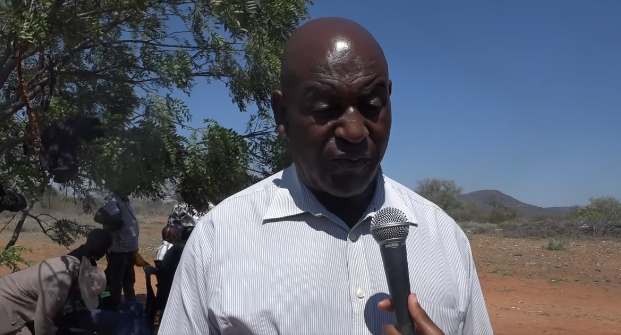
BBRDC Ward 5 Councillor Rabson Mbedzi has urged residents to take advantage of the outreach, describing the visit as an opportunity for the community to access medical services at no cost.
Speaking to Ziyah News Network, Mbedzi said the doctors would assist residents, including those seeking help with tuberculosis (TB).
“I am sending a message to the people that there are doctors coming to our ward. They will be assisting everyone for free, including those with TB,” said Mbedzi.
He encouraged residents of Ward 5 and neighbouring communities to visit Shabwe Clinic during the three-day programme.
For many people living in rural Beitbridge, accessing healthcare can involve more than simply visiting the nearest clinic. Distance, transport expenses and the availability of medical personnel and services can influence when and where patients seek treatment.
When a rural clinic cannot provide the medical attention a patient requires, referral to a larger facility may be necessary.
Residents who need crucial medical attention may consequently have to travel to Beitbridge District Hospital, adding transport costs and logistical challenges to an already difficult situation.
These challenges underline the importance of strengthening healthcare delivery at community level and ensuring that rural health facilities can connect residents with the medical services they need.
The visit to Shabwe Clinic therefore offers an opportunity to bring medical consultations closer to residents who might otherwise face difficulties travelling to access care.
By providing free services within the community, the outreach may ease some of the financial and transport pressures associated with seeking medical attention.
However, the visit also raises a broader question about the sustainability of rural healthcare: how can communities continue to access timely medical services beyond occasional outreach programmes?
While visiting medical teams can help address immediate healthcare needs, consistent access to qualified personnel, essential medicines, diagnostic services and effective referral systems remains important for the long-term delivery of rural healthcare.
According to Mbedzi, the medical team has been travelling from Bulawayo, passing through Gwanda before reaching Shabwe Clinic as part of an ongoing programme.
The availability of free consultations is particularly relevant to residents who may struggle to meet the costs associated with seeking medical attention.
The outreach also presents an opportunity for people with health concerns, including suspected or diagnosed TB, to seek professional guidance.
Residents should continue following prescribed treatments and the advice of qualified healthcare professionals, particularly where ongoing care is required.
Mbedzi said the community was privileged to have Shabwe Clinic included in the programme and called on residents to make full use of the opportunity.
Residents of Ward 5 and surrounding areas are encouraged to visit Shabwe Clinic from 22 to 24 October to access the free medical services.