


By Chantelle Muzanenhamo
FOR many Zimbabwean women returning home from South Africa, the journey back is proving as dangerous as the circumstances that forced them to leave.
Reports of rape, exploitation and abuse along migration routes have exposed a growing protection crisis affecting female returnees, with health officials in Beitbridge confirming that at least two women have already been sexually assaulted during their journey home.
The incidents, one reported in Polokwane and another in Beitbridge, have raised alarm among authorities and humanitarian agencies as thousands of Zimbabweans continue to stream back into the country. Women and children, who make up the majority of returnees, are increasingly facing risks that extend far beyond the border crossing itself.
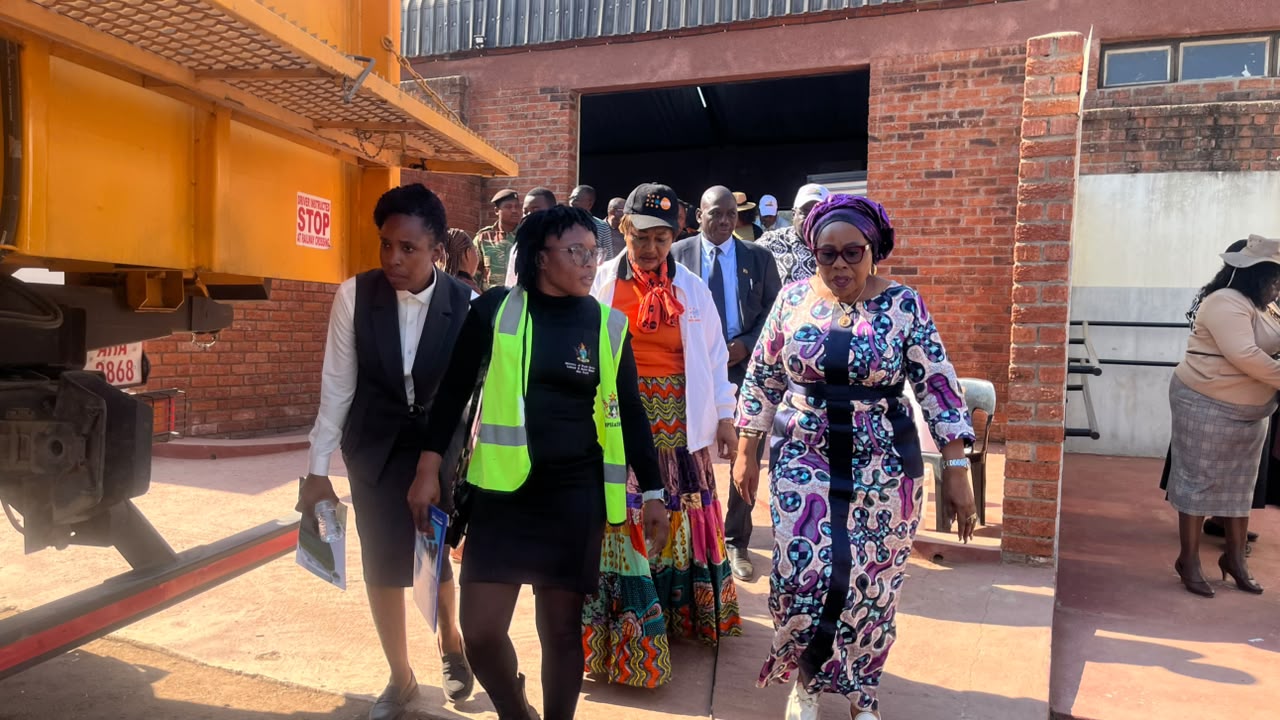
Speaking during a visit to the Beitbridge Reception Centre by Minister of Women Affairs, Community, Small and Medium Enterprises Development Senator Monica Mutsvangwa, on Monday, District Medical Officer Dr Samhere described Sexual and Gender-Based Violence (SGBV) as the most significant threat confronting returnees.
“Sexual Gender-Based Violence is the biggest threat when the returnees are both in transit and are this side and it is very unfortunate for me to report that so far we have attended to two women who were raped along the way from South Africa. One incident happened in Polokwane and the other one here in Beitbridge, but not at the Reception Centre,” he said.
The reports emerge against a backdrop of rising return migration, with official statistics showing that women and children account for the largest share of the 34,552 Zimbabweans who have returned from South Africa between May 28 and July 19, 2026.
Adult women numbered 11,003, while 7,569 girls returned during the same period. Combined, they represent more than half of all returnees, highlighting the disproportionate impact of displacement on females.
The vulnerability of women was further underscored by the death of a female returnee while in transit.
Presenting the report, Mr Hillary Muhumbe from the Department of Consular Services under the Ministry of Foreign Affairs said authorities had to facilitate identification procedures after the woman arrived at the border without any identification documents.
“Key MDAs at the Beitbridge Reception Centre facilitated the issuance of a birth certificate for the deceased. The deceased individual carried no identification at the time of her passing at the border.
“The deceased’s relatives were notified and assisted in crossing into South Africa, where they positively identified the body. The repatriation process, including the post-mortem and compilation of burial documents, is currently underway,” he said.
Addressing returnees and stakeholders, Mutsvangwa expressed concern over the unique hardships faced by women and children during displacement and reintegration.
“My heart bleeds for every one of you as I contemplate the ordeals you have endured. However, it is crucial to acknowledge that these experiences are not uniform; they are deeply gendered. Men, women, and children navigate these crises differently,” she said.
“Women and girls, in particular, face unique and often heightened risks during displacement. From the moment of transit to the uncertainty of arrival, their vulnerability increases exponentially, exposing them to specific threats that require our immediate and focused attention.”
She said that loss of livelihoods and economic hardship often fuel domestic tensions, creating conditions where abuse, exploitation and violence can flourish.
Mutsvangwa said the Government of Zimbabwe, together with development and humanitarian partners, was committed to ensuring that returnees receive support to reintegrate safely and with dignity.
“To address the specific gender dimensions of this crisis, my Ministry is actively working alongside other Government Ministries, development partners and humanitarian organisations. Together, we are strengthening gender-responsive reintegration strategies and enhancing the mechanisms for Gender-Based Violence prevention and response,” she said.
The reported rape cases and the death of a female returnee have further amplified calls for stronger safeguards to protect women and children, who continue to bear the heaviest burden of the migration and repatriation crisis.