


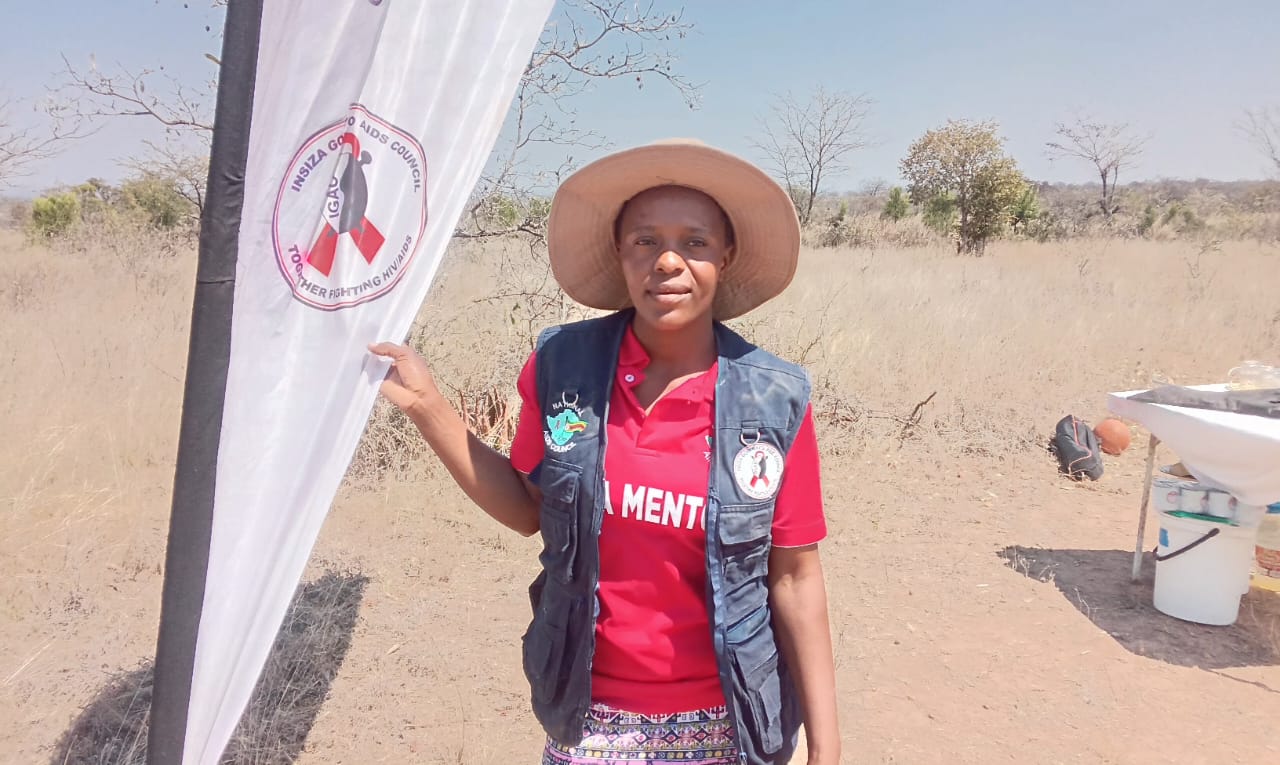
By Rex Mphisa in Insiza.
THE National Aids Council (NAC) in Matabeleland South has scored one of the key global goals in the HIV and Aids war having gone over the stigma mountain.
HIV stigma stops people from getting tested, seeking medical care, and taking their medication properly.
This has a major impact on prevention, one of NAC and Zimbabwe’s tools in the journey to be rid of the HIV and Aids war by 2030.
With Zimbabwe having set its national strategy with the global UNAIDS “95-95-95” targets, and already achieved notable success, becoming among the few African nations to surpass these benchmarks ahead of schedule, a district like Insiza is credited for being part of the milestone against stigma.
And this feat is easily reflected at Denje’s Phumelela Village, approximately 50 kilometres east of Filabusi Centre and at Amazon Business Centre closer to the administrative headquarters of the district.
A team of 10 journalists led by Austin Nyathi, head of the Ministry of Information, Publicity and Broadcasting Services, Matabeleland South, witnessed how the fight against stigma has paid dividends.
“I have valuable lessons from NAC’s Sista to Sista programme and can say am well equipped for a lifetime. I do have regrets, yes, had I been this equipped, I wouldn’t be having an unplanned baby but would have gone into marriage with a clear mind. I am not happy because I am lonely. My husband is rarely home and we do not discuss anything about our future as family,” said Thembelihle Tshuma (23) of Denje.
“Sista to Sista has broadened me to accept this reality of my marriage situation, the wisdom and maturity to decide and am empowered to work for myself and the baby. I have managed to weather storms in my young union interfered into by my mother in law and coming to share with other young women has been remedy. Am ready for a new beginning,” she said without emotion.
Having been orphaned young and growing up at an aunt’splace in Bulawayo’s Cowdray Park she found herself in an early union to a man who now never comes home from West Nicholson gold mines.
He never calls, meaning he does not care about their child Sandile, and maTshuma’s mother in law is abusive, she said.
When he does call he has no time for her and pays more attention to his mother than her and does not support his family.
“This is my situation and my mind is made up to overturn this. I want out. Am empowered enough to start again. I have spoken with my relatives and soon I will be back in school at night, working for my child and education by day. I am going back home to restart,” she said with confidence.
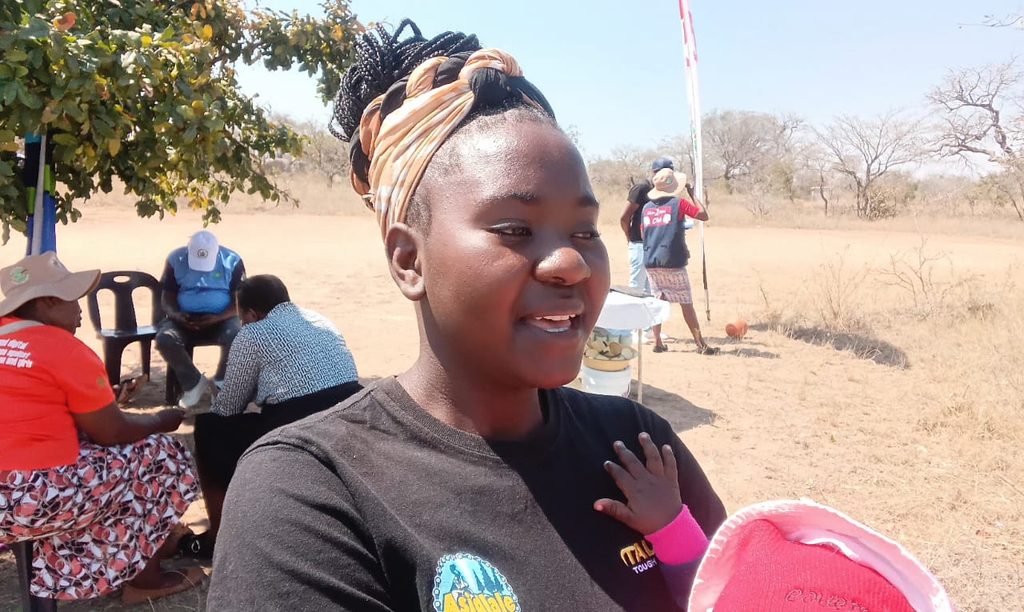
Thembelihle is not infected, but a victim of emotional abuse, one of the many facets of Gender Based Violence Zimbabwe, through NAC, seeks to address.
GBV drives the HIV epidemic by increasing biological vulnerability, reducing a person’s power to negotiate safe sex, and creating fear that prevents people from getting testing and treatment and she has decided not to cross that river.
Her mentor Siphathekile Ncube, 34, who herself is the wife of the village head says she is happy with the attitudes of her two groups of 25 each.
“Most of them are HIV negative. They now know the “dos and donts” and are capable of handling situations. We want to grow from just gatherings to economic empowerment and are pooling the little they have to start income projects,” said Ncube.
“We have Netball and Volleyball teams the groups use in between sessions and against boredom. In between the 40 lessons per year after which they are weaned the young women play volleyball or netball. To date I have been a mentor to 100 young women between 15 and 24,” she said.
Her husband Stanley Ndlovu who is the village head says he is encouraged by their commitment and has set aside a piece of land for their proposed chicken project.
“They need support for sustainability and I have plans to visit Government offices to see how these young women can get financial support to improve their lives,” he told Ziyah News Network.
At Amazon business centre Loveness Mlilo, 23, has a totally different story from Thembelihle but is also part of a Sista to Sista group in her area.
Mlilo is gainfully employed after she gathered courage to convince her man that she goes to work.
“After joining Sista to Sista it became easy to communicate with my husband that I go to work because I was just a housewife. Now i work as a geologist at a mine. We plan together with my spouse and we communicate in a healthy way,” said Mlilo.
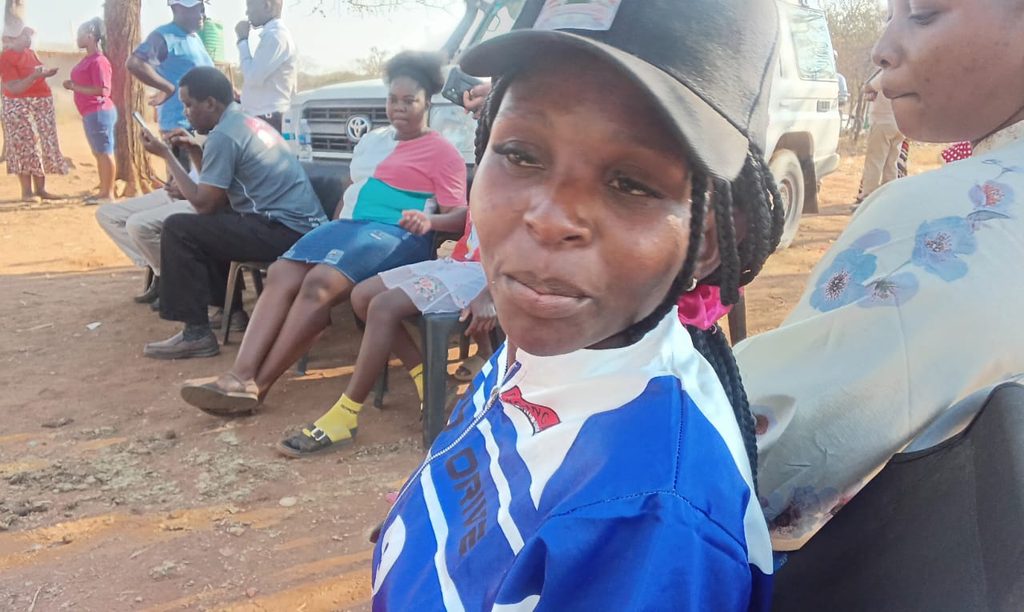
She did a short course at the Bulawayo School of Mines and her work involves studying ore and making recommendations on where miners should follow gold belts.
At her Sista to Sista Group managed by the Insiza Godlwayo Aids Council, a partner of NAC, Mlilo share the idea of their group that it can grow financially removing the dependency from hundreds of small scale miners in their area who believe women are lesser citizens because they are of less financial capacity.
“When the strike gold in their mining activities, they can be abusive. And as an enlightened group we resist this and stand our grounds. Sista to Sista has made us strong,” she said.
NAC has a number of interventions models in Insiza including Sista 2 Sista, implemented to empower adolescent girls and young women with sexual and reproductive health (SRH) education and services.
It also has Behaviour Change Communication for Men (BCCM) and this is deployed across the district to engage men and boys through community cadres, promoting positive masculinity and uptake of HIV testing and treatment.
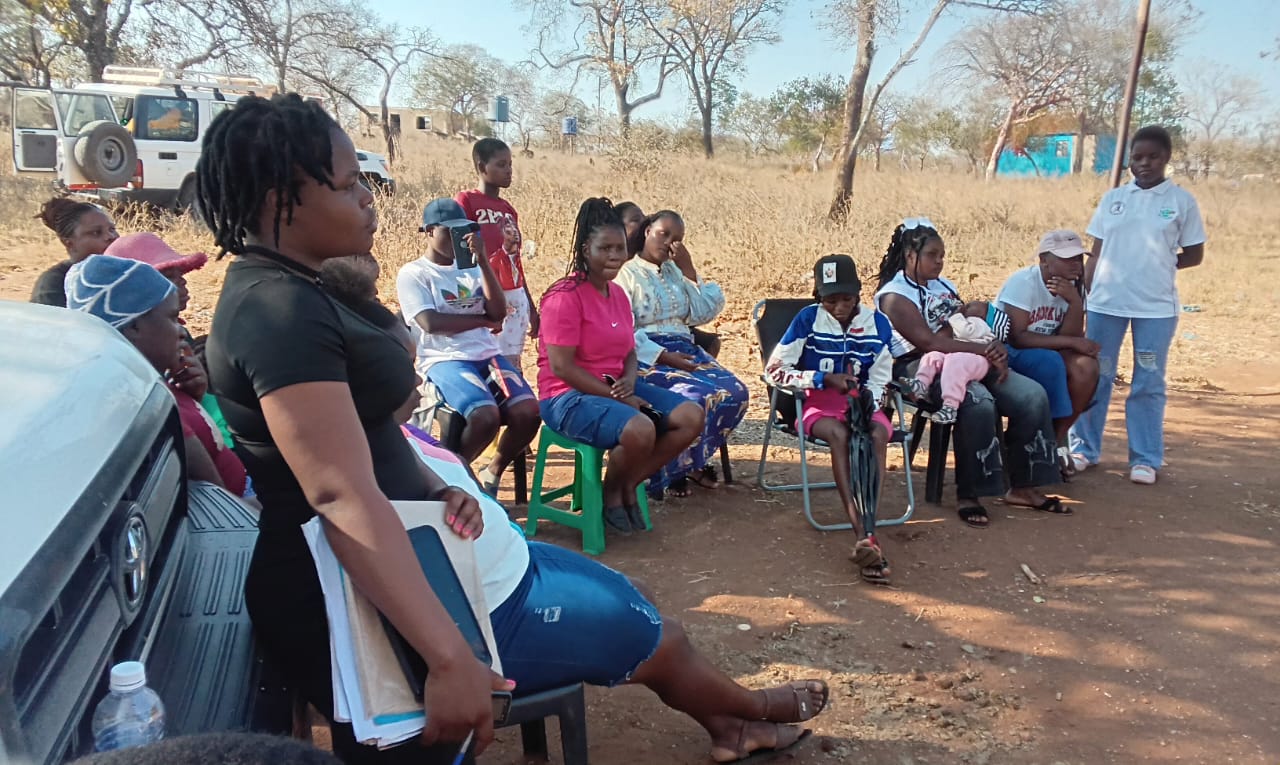
Besides, Mobile Health Clinics have are from time to time deployed to remote and hotspot areas of the vast district.
The HIV prevalence rate in Insiza District is 13.6 percent, according to data from the NAC, and its rate remains above Zimbabwe’s national average of 9.8 percent