


By Rex Mphisa
THE troop of journalists, famous media names like Providence Maraneli, Thupeyo Muleya, Mvelo Zondo, Sukulwenkosi Dube Matutu, to name a few, led by their Matabeleland South provincial information officer Austin Nyathi, have all left.
So have the Matabeleland South National Aids Council (NAC) executives who included their provincial manager Mgcini Sibanda.
Both the journalists and NAC executives teams are satisfied that finally, residents of Zimbabwe’s southern most province have grasped the HIV/Aids gospel.
The two teams are on a tour of Bulilima and Mangwe districts to appreciate the work of NAC which moved in to fill the void left by the withdrawal of funding by USAID .
That resulted in the collapse of many Non Governmental Organisations that supported HIV and Aids programmes countrywide.
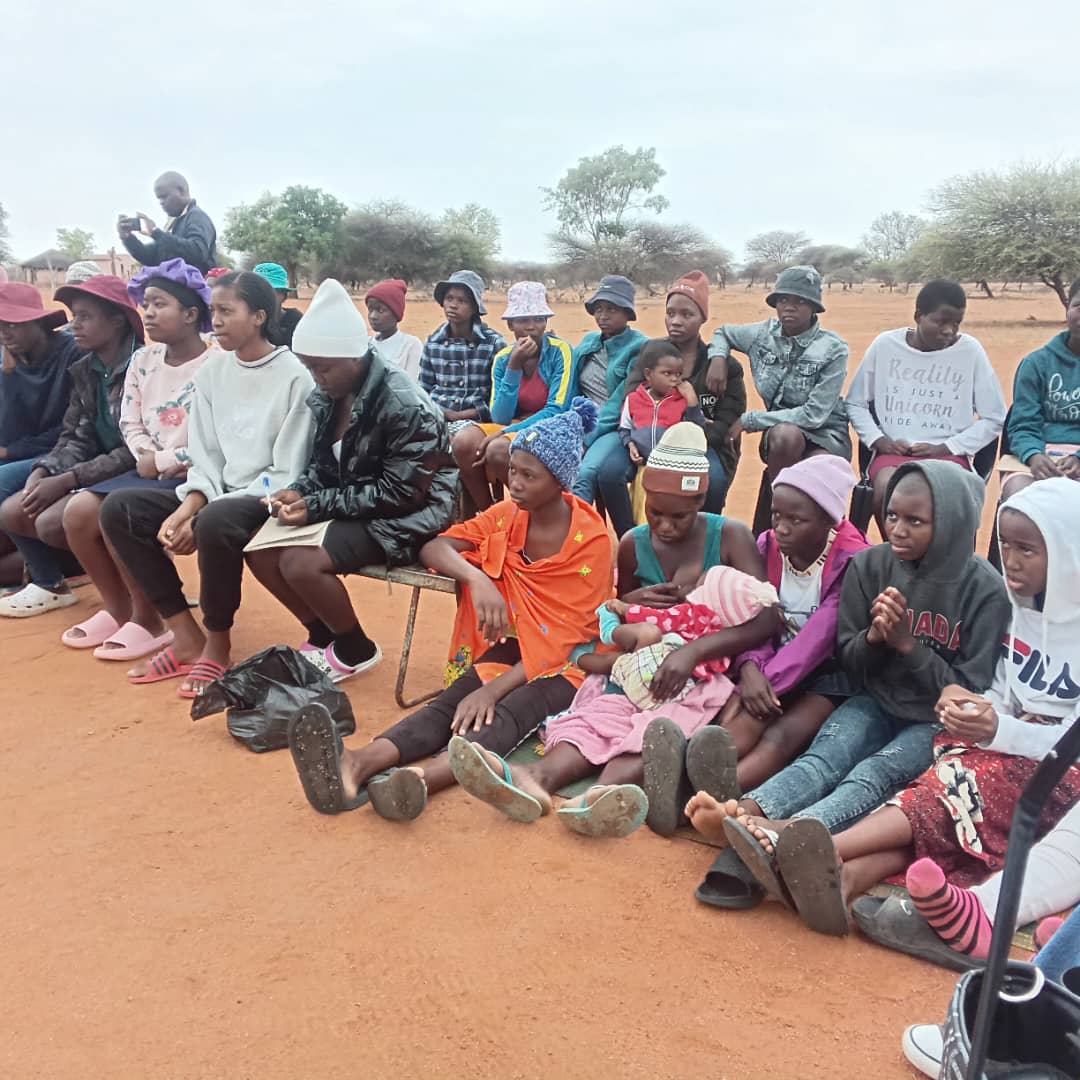
The teams are departing Masendu Village, some 80 kilometres west of Plumtree where a stellar performance by Saneliso Nyathi of her Session 27 of the Sister 2 Sister programme was amazing.
NAC’s “Sista-to-Sister” programme is a mentorship and support initiative to help vulnerable adolescent girls and young women.
The programme creates “Sista2Sista” clubs providing a safe space for girls, focusing on reducing school dropouts and gender-based violence through mentorship, life skills, and health and HIV awareness.
It empowers young mothers, those who have dropped out of school, and others to overcome adversity and build a better future.
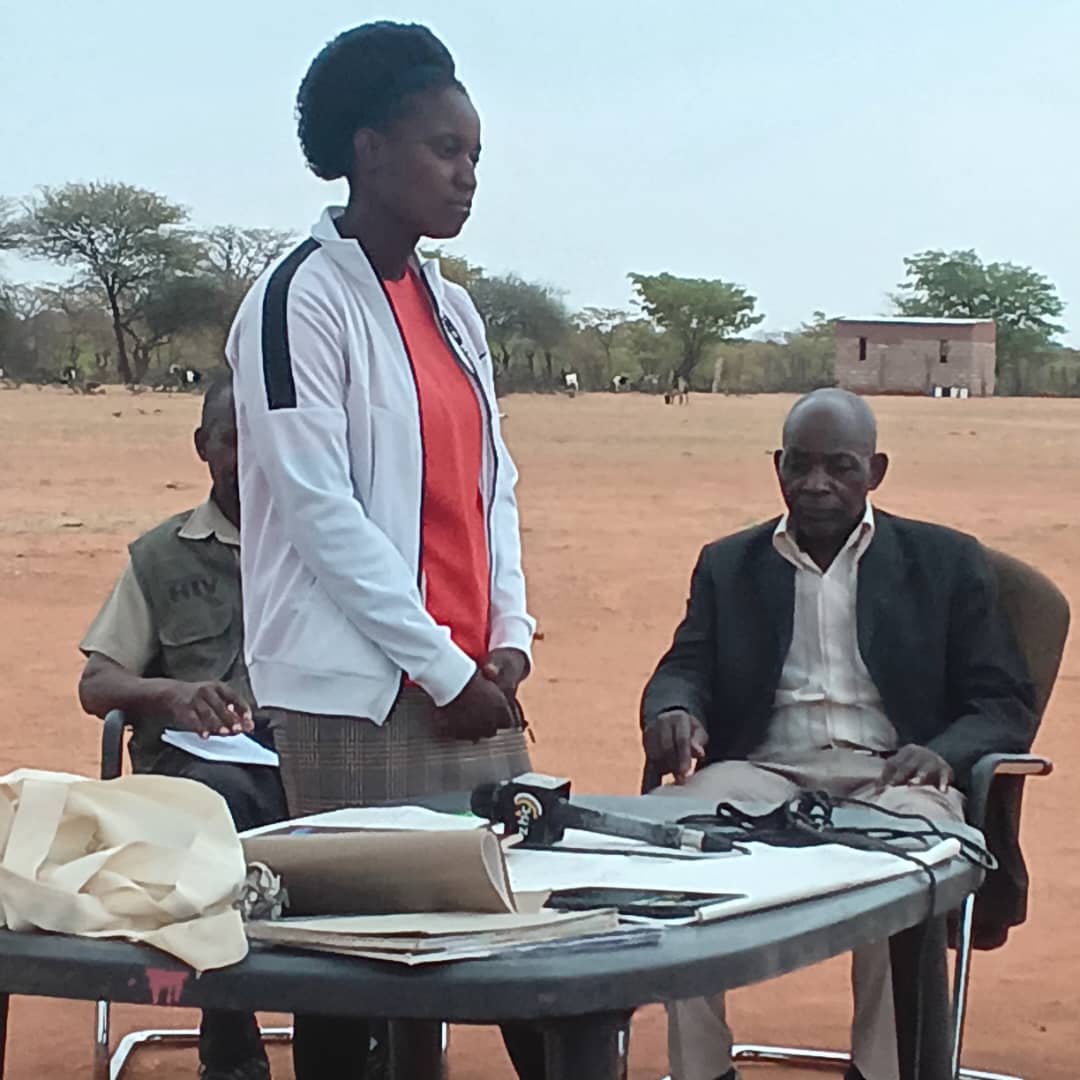
Saneliso Nyathi left every stone turned and conducted her session in such a fashion that attracted only a few questions, all journalists were convinced.
Such have been NAC’s programmes across Matabeleland South, the province with one of the highest HIV prevalence rates in Zimbabwe, with a prevalence of 22.3% among adults aged 15 to 64.
The province also has a high HIV incidence rate among adolescent girls and young women (AGYW), with factors like limited knowledge, transactional sex, and gender inequality contributing to this vulnerability.
Recent data shows that while there has been a decreasing trend in new infections among AGYW between 2019 and 2023, the rate of decrease has slowed, indicating a need for targeted prevention efforts.
Zimbabwe hopes to, by 2030, have eradicated the scourge, stopping all new infections and in control of existent.
It reached the UNAIDS 95-95-95 HIV targets for its adult population by 2022 or 2023, meaning 95% of people with HIV know their status, 95% of those diagnosed are on antiretroviral therapy (ART), and 95% of those on ART have a suppressed viral load.
While the country met these targets overall, gaps remain for specific groups like children, adolescents, and pregnant women.
As the Land Cruiser vehicles carrying the journalists and the NAC team leave Masendu Village, Saneliso Nyathi, 29, the team of journalists and NAC executives share a common fear.
The AGYW know what to do, they are able, but what made them victims in the first place is far from being addressed.
Poverty still affects the AGYW and it is easy for them to slide back to old habits with the festive season fast approaching.
In Bulilima and Mangwe, “Injiva” , migrant workers from South Africa, will undo all the year-long work by Saneliso Nyathi and other mentors by luring girls with money is shared by the journalists and NAC officials alike.
“This poverty is one that has to be addressed to complement NAC’s work,” a senior government official said.
Key drivers of adolescent HIV infections in Zimbabwe are now known.
These include socio-cultural factors like harmful gender norms that limit female autonomy, economic vulnerabilities such as poverty that drive transactional sex, and barriers to prevention and services.
A lack of understanding about HIV, fear of stigma, and inadequate access to services are among the factors.
Other factors include sexual risk behaviors like multiple and concurrent partnerships, and challenges with alcohol and drugs use.
The socio-cultural and economic factors are gender inequality where the girl child is found second class even in education.
Saneliso Nyathi’s group of 50 has many who are out of school at well below 20.
“Most of the girls and young women have financial hardships which if addressed can affect, positively, a change in behaviours,” she said.
“We have had lessons that girls should learn to say no, but poverty can affect them and transactional sex will reign. Girls have no means and can easily be lured back,” she said.
“We need to have projects that can rescue these target group. Their vulnerability is due to poverty,” she said.
Saneliso Nyathi, like many other rural women who have been under NAC’s prgrammes, are not aware of loans offered to women’s groups by the department of Women’s Affairs.
“No I have not heard about it, it’s my first time to hearskmething of this nature. It is good and I already have plans for my team,” she said.
An investigation by this publication discovered there are loans extended to Women’s groups through the Ministry of Women’s Affairs.
“It is possible that structures created by NAC be used to extend loans to the groups,” said the Government official.
What is required on these soft loans are proper proposals which can easily be drafted by Ministry officials to assist the AGYW.
“In our group of 50, we can have groups of five and start our agro-based projects feeading on each other,” said Saneliso Nyathi.
Her idea can be replicated across e province and een across the country where government’s village business units are already changing lives.
But it can only be possible if some departments collaborate with NAC, there has to be a deliberate effort by leaders to look into and support NAC programmes.