


By Rex Mphisa
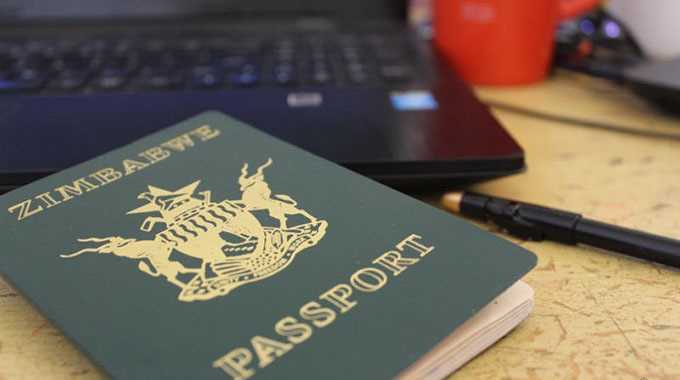
THE Zimbabwean Embassy in South Africa has warned its citizens in that country to remain indoors and avoid turbulent areas amid a fresh wave of Xenophobic attacks on foreign nationals in that country.
Zimbabweans have also been advised to carry all their essential documents at all times but avoid unplanned movements.
In an advisory note numbered “1 of 2026” issued on Tuesday April 28 this week, the Zimbabwean Consulate in both Cape Town and Johannesburg said it had received “disturbing” reports of Xenophobic activity.
“The Consulate of Zimbabwe in Johannesburg and Cape Town have received reports of disturbing demonstrations that are targeting foreign nationals. These incidents pose a serious risk to the safety and well-being of Zimbabwean nationals residing in South Africa,” said the advisory note.
It gave safety guidance inviting Zimbabweans to remain vigilant and avoid areas where demonstrations are taking place.
“Stay indoors and limit unplanned movements and (iii) Report any incidents to the local South African Police Services, Embassy and the Consulates of Zimbabwe in Johannesburg and Cape Town,” said the note.
Zimbabweans were also advised to keep essential documents with themselves all the time.
In case of trouble the affected could contact the Embassy and the Consulate and Embassy at 798 Merton Avenue, Acardia, Pretoria or phone +27 12 342 5125, Consulate of Zimbabwe in Johannesburg at 20 Ernest Oppenhemeir Avenue, Bruma, Johannesburg phone +27 110373400 and Hotline 0828249435.
The Consulate of Zimbabwe in Cape Town could be contacted at Email: admin@zimbabweconsulate.co.za or Consulate of the Republic of Zimbabwe No. 53-55 Kuyper Street Zonnebloem, Cape Town phone +27 21 461 1994-5.
The note said the Government of Zimbabwe is committed to ensuring safety dignity and well being of its nationals.
Xenophobic violence and discrimination are widespread throughout South Africa, with all nine provinces experiencing incidents as of Tuesday this week.
While no area is completely immune, the severity and frequency of disturbances vary significantly.
According to data and reports on xenophobia in South Africa worst Affected Areas include Gauteng accounting for nearly 40% of all recorded incidents between 2008 and 2021 and on Tuesday self-styled group Dudula members combed certain parts of Johannesburg turning over market stalls and stealing goods belonging to foreigners.
Police were conspicously not seen.
High-density, economically strained areas such as townships in Johannesburg, Soweto, Alexandra, and areas in KwaZulu-Natal and the Western Cape are hot spots.
While major cities see intense, high-profile attacks, secondary cities and urban centers also experience significant, often ignored, xenophobic violence, particularly linked to, but not limited to, service delivery protests.
There is no specific province identified as having entirely no xenophobia but areas with higher economic stability and lower levels of competition for informal sector resources tend to experience fewer incidents of violent.
The pus factors f this violence appear more political than labour related with the South African ruling ANC appearing hesitant to take a stance.
Zimbabweans who are in favour of employers because of their ability and willingness to work are accused far much more than other foreigners and have often been more victimised.
After majority rule in 1994, contrary to expectations, the incidence of xenophobia increased.
In 2008, at least 62 people were killed in the xenophobic uprising and attacks and In 2015, another nationwide spike in xenophobic attacks against immigrants in general prompted a number of foreign governments to begin repatriating their citizens.