


By Chantelle Tatenda Muzanenhamo
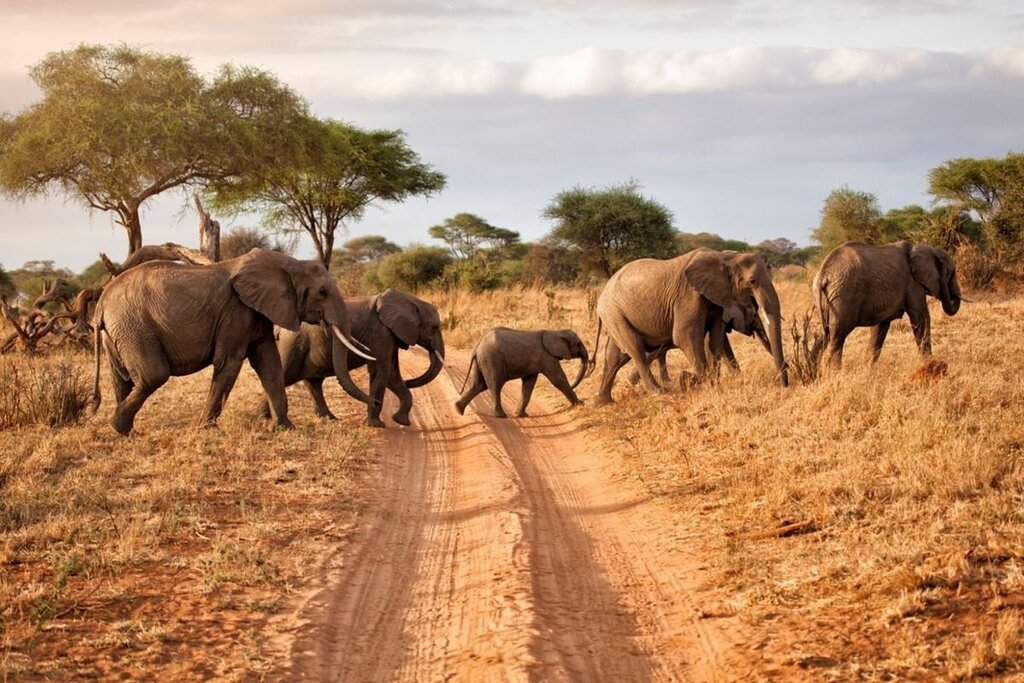
Zimbabwe is currently grappling with a severe drought that has led to the tragic deaths of some of its elephant head across the country. The dry conditions have left vast areas of the Hwange National Park and the Zambezi Valley parched, home to the Jumbos stripping away the natural resources that these majestic creatures rely on for survival including the precious liquid, water.
Reports indicate that carcasses of elephants have been discovered near waterholes in Hwange, once a thriving habitat, now turned barren, and along the banks of the Zambezi River, where the dwindling water levels have exacerbated the crisis.
In light of the crisis, the Zimbabwean government has proposed a controversial plan to cull 200 elephants to address the dual crises of wildlife management and food security.
Officials argue that the culling would provide much-needed meat to local communities suffering from food shortages, alongside the necessity to manage the elephant population in an environment struggling to sustain them. The government maintains that this measure could alleviate the pressures on both wildlife and human populations.
“The devastating drought we are experiencing demands tough choices. Culling elephants is a tough but humane choice. It protects from prolonged suffering from thirst starvation. It maintains ecosystem balance and ensures remaining wildlife thrives.” the government spokesperson, Nick Mangwana wrote on his official X account
However, the decision to cull elephants has sparked intense debate among conservationists and animal rights activists, who argue that such actions could undermine long-standing efforts to protect wildlife.
Compounding the situation is the ongoing international ban on the ivory trade, which has been in effect since 1989.
Zimbabwe has a significant stockpile of ivory, estimated at around 50 tons, gathered from elephants that have died of natural causes or through other means. While the country has expressed the desire to sell a portion of this stockpile to generate revenue for conservation efforts, the ban remains a significant barrier.
As Zimbabwe wrestle with this complex crisis, the fate of its elephants hangs in the balance. The government’s proposed culling raises ethical questions and highlights the urgent need for comprehensive strategies to address both wildlife conservation and food security. But culling on the other hand whether by default or by design could be an option given the Jumbo population in the country far outweighs the capacity parks can carry.