


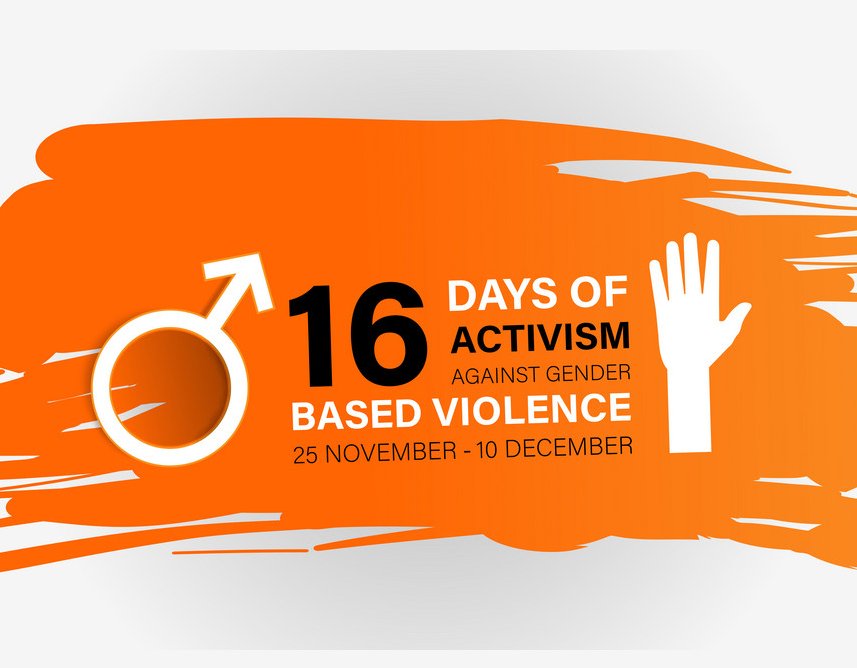
Most countries around the world have launched their campaigns for the 16 Days of Activism against Gender-Based Violence (GBV), and Zimbabwe is no exception. The Minister of Women Affairs, Community, Small and Medium Enterprise Development, Honourable Monica Mutsvangwa, presided over the launch of our own activism.
The Minister did well in chronicling the strides made by the country in advancing the plight of women, who are the majority of GBV victims. The government has made commendable efforts in instituting policies to address GBV and protect women.
However, cases of GBV continue to persist in the country, with horrific images sometimes displayed on social media. While the messages of advocacy and education have been loud and clear, what may be missing is the internalization of these messages and their translation into action.
There may be a disconnect between the messages and their intended recipients. During the 16 Days of Activism, the power of governments and non-governmental organizations is unleashed, and GBV stories of hope and advocacy are hard to ignore. Yet, after this period, there seems to be a retreat back into our cocoon, only to re-emerge the following year.
Could this be the reason for the limited success in behavior change? Drawing parallels, the campaign targeting behavior change in relation to HIV has seen success, I believe, because the message was relentless, targeted the consciences of different groups, and was intentional and unrelenting until results became evident, evidenced by the decline in new infections and prevalence rates.
It may be time to take a page from that campaign and adopt a similar approach in the country’s fight against GBV. A targeted, relentless drive that is not confined to the 16 Days of Activism is likely what we need.