


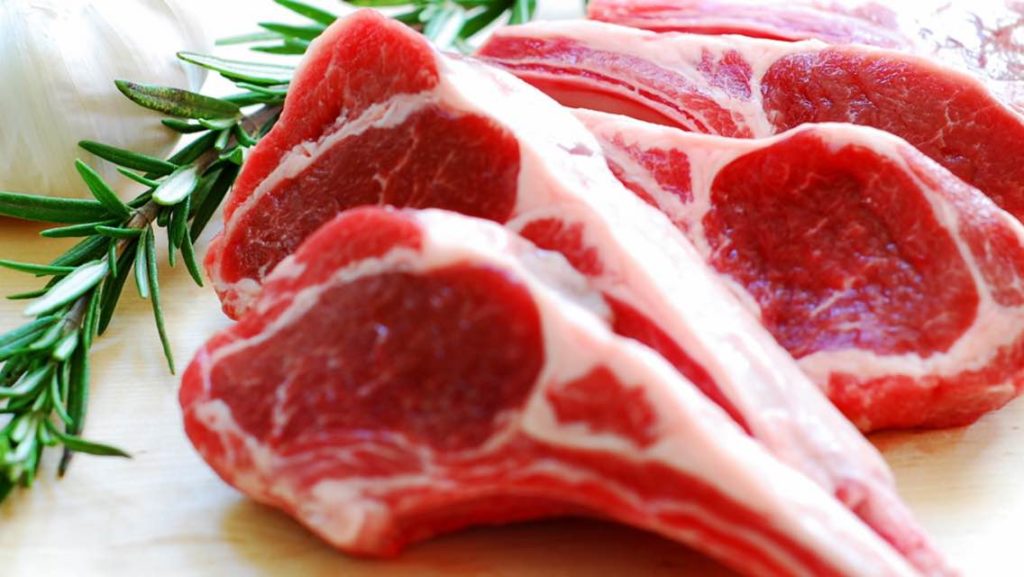
For the vast majority of Americans, meat is firmly on the menu. And many of us are eating meat not just daily, but at nearly every meal. So, is meat really healthy enough to eat that frequently?
It certainly can be, says Natalie Rizzo, registered dietitian and TODAY nutrition editor. While “different meats have different nutrients,” Rizzo explains, they all provide satisfying protein, as well as certain vitamins and minerals.
But if you want to eat meat every day, it’s worth making smart choices about the type of meat you’re eating, how you’re preparing it and the other foods you’re eating it with, she says.
Is It Healthy to Eat Meat Every Day?
It can be perfectly healthy to eat meat every day. And, generally, you can expect to find protein, iron and vitamin B12 in most meats. But meat is a wide category of food with a surprising amount of variety.
Leaner meats, like chicken, turkey and some cuts of pork, tend to be among the healthier options, TODAY.com explained previously. These are high in protein while being low in saturated fat, particularly chicken or turkey breast, and pork tenderloin.
Fattier meats, including certain cuts of pork and beef, are considered to be less healthy due to their saturated fat content. This type of fat is associated with higher LDL cholesterol, which can have harm your heart health down the line.
Adults should aim to eat no more than 6% of their daily calories from saturated fat, the American Heart Association says. For someone who eats 2,000 calories per day, that’s a limit of 13 grams of saturated fat per day, which adds up pretty quickly if you eat a lot of fatty meats. If you eat fewer than 2,000 calories per day, that means you should limit saturated fat even more.
Fish is another source of healthy animal protein. Fatty fish, like salmon and tuna, do contain some saturated fat. But they also provide some unique fatty acids that are linked to brain and heart health. Salmon is also a rare nutritional source of vitamin D, and tuna provides vitamin B3, selenium and niacin.
And leaner fish, like cod and branzino, are packed with protein while being low in calories, making them great options for weight management.
When it comes to processed meats, dietitians generally recommend avoiding these products or eating them very sparingly. That includes deli meats, chicken nuggets and meat stick snacks.
They may be high in protein, but ultraprocessed foods tend to also be quite high in sodium and are associated with health risks, particularly for colon cancer.
If You Want to Eat Meat Daily…
Here are Rizzo tips for eating meat in the healthiest way possible.
Choose Lean Cuts
For people who like to eat meat daily, Rizzo recommends choosing to eat healthier types of meat as much as possible.
“If you’re a frequent meat eater, stick with the lean cuts of meat, things like poultry and fish,” she says. These provide filling protein, as well as vitamins and minerals, but have less saturated fat.
Limit Red Meat to Once a week
Just one portion of red meat per week is “my personal recommendation,” Rizzo explains. “There’s no official recommendation out there for how much red meat you should have, but I always say to keep it to a minimum because it has a lot of saturated fat.”
Pay Attention to Cooking Method
Of course, the preparation matters here, too. Cooking methods that use less added fat and lean on healthier oils (like olive oil and avocado oil) will generally be be better for you.
Additionally, cooking meat at lower temperatures may also be healthier. Grilling can lead to the formation of carcinogens that are in charred food. That means methods such as poaching, stewing or roasting your meat will be better for you than frying or grilling.
Prioritize Plant-Based Sides
It’s also worth thinking about what else you’re eating your meat with, Rizzo says. Dietitians previously told TODAY.com they recommend building your plate around plants first, including vegetables, fruits, legumes and whole grains.
If you’re curious about eating less meat, which may have benefits for your health and the planet, you could start by choosing a smaller portion of meat and supplementing it with plant-based proteins. These foods provide protein along with other important nutrients, like fiber. Or try going meatless a few days per week.