


By Chantelle Muzanenhamo
The Government of Zimbabwe has responded to the recent deaths of wildlife at Lake Chivero, rejecting claims that human waste or raw sewage were responsible for the alarming situation.
Local Government Minister Daniel Garwe spoke to journalists on Monday, attributing the fatalities of fish and four rhinos to hazardous industrial waste dumped into the lake by private companies.Minister Garwe emphasised that human waste is not harmful enough to cause such a significant disaster, dismissing public concern that had been widespread on social media.
“The deaths of the rhinos and the fish were not caused by human waste. I think people lack knowledge there. Human waste is not dangerous. It was not caused by human waste; it was caused by industrial waste, and we are working very closely with the Minister of Environment to ensure that the culprits are brought to book as investigations continue,” Garwe stated.
Reports on social media had suggested that thousands of fish were dying from poisoning, leading to widespread alarm among local communities. In response, Garwe sought to soothe fears, affirming that the real issue is indeed linked to the discharge of toxic waste into the lake by local industries.
Highlighting the urgency of the situation, Garwe announced that he has summoned Harare City Mayor Jacob Mafume and the town clerk for a crucial meeting scheduled for this week. The purpose of the meeting is to address the ongoing crisis, investigate those companies responsible, and take the necessary actions to safeguard the lake and its wildlife.
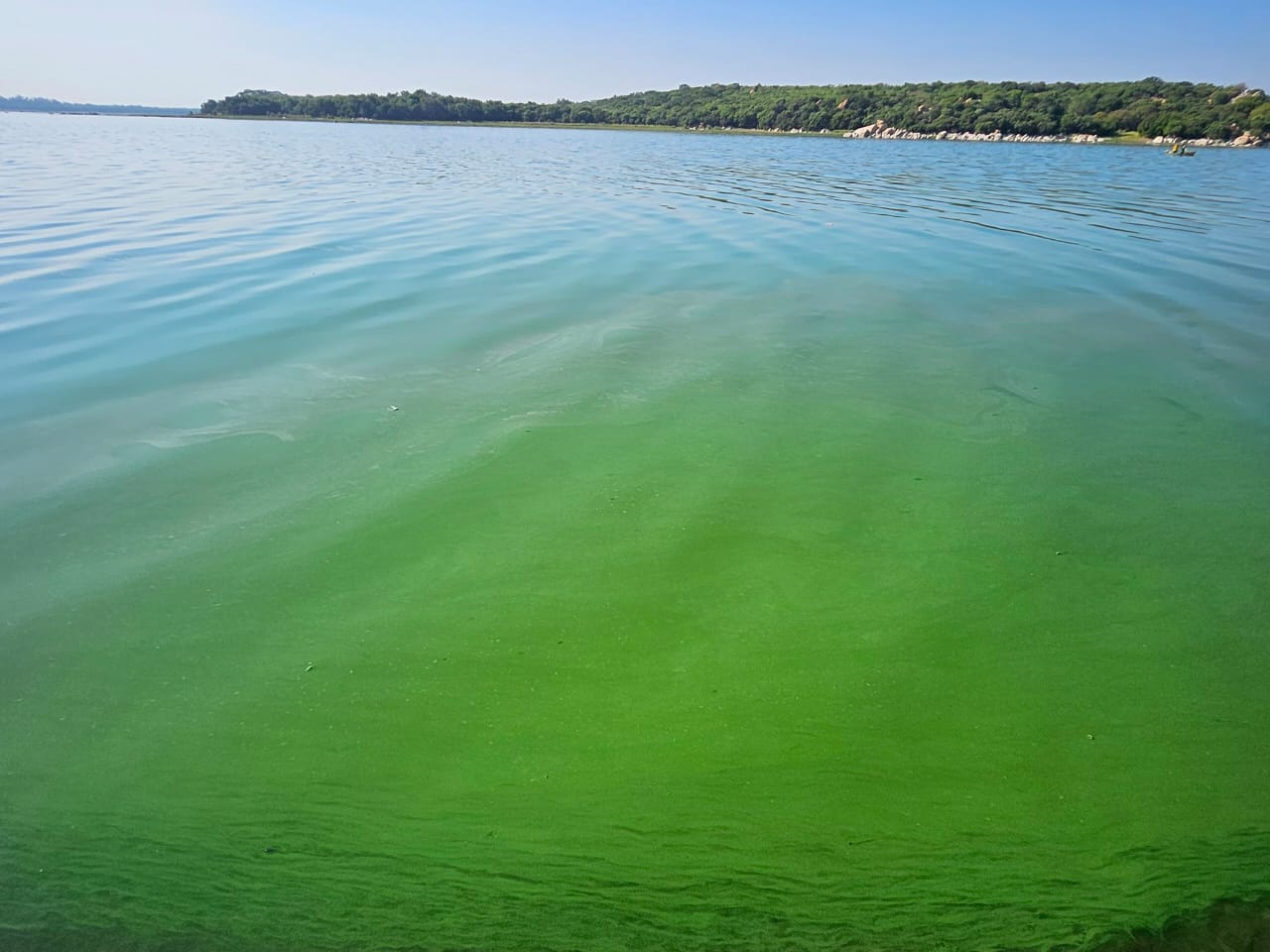
In December, the Zimbabwe Parks and Wildlife Management Authority (ZimParks) had also issued a statement regarding the issue, linking the wildlife deaths to cyanobacteria, a type of toxic algae that can thrive in contaminated waters.
The Lake Chivero incident underscores a growing concern over industrial pollution and its effects on local wildlife, raising questions about environmental regulations and enforcement in Zimbabwe’s industrialising sectors.