


By Chantelle Muzanenhamo
A government update on the rehabilitation of the Bulawayo–Victoria Falls highway has triggered a wave of public anger, with many Zimbabweans questioning both the pace and quality of the project.
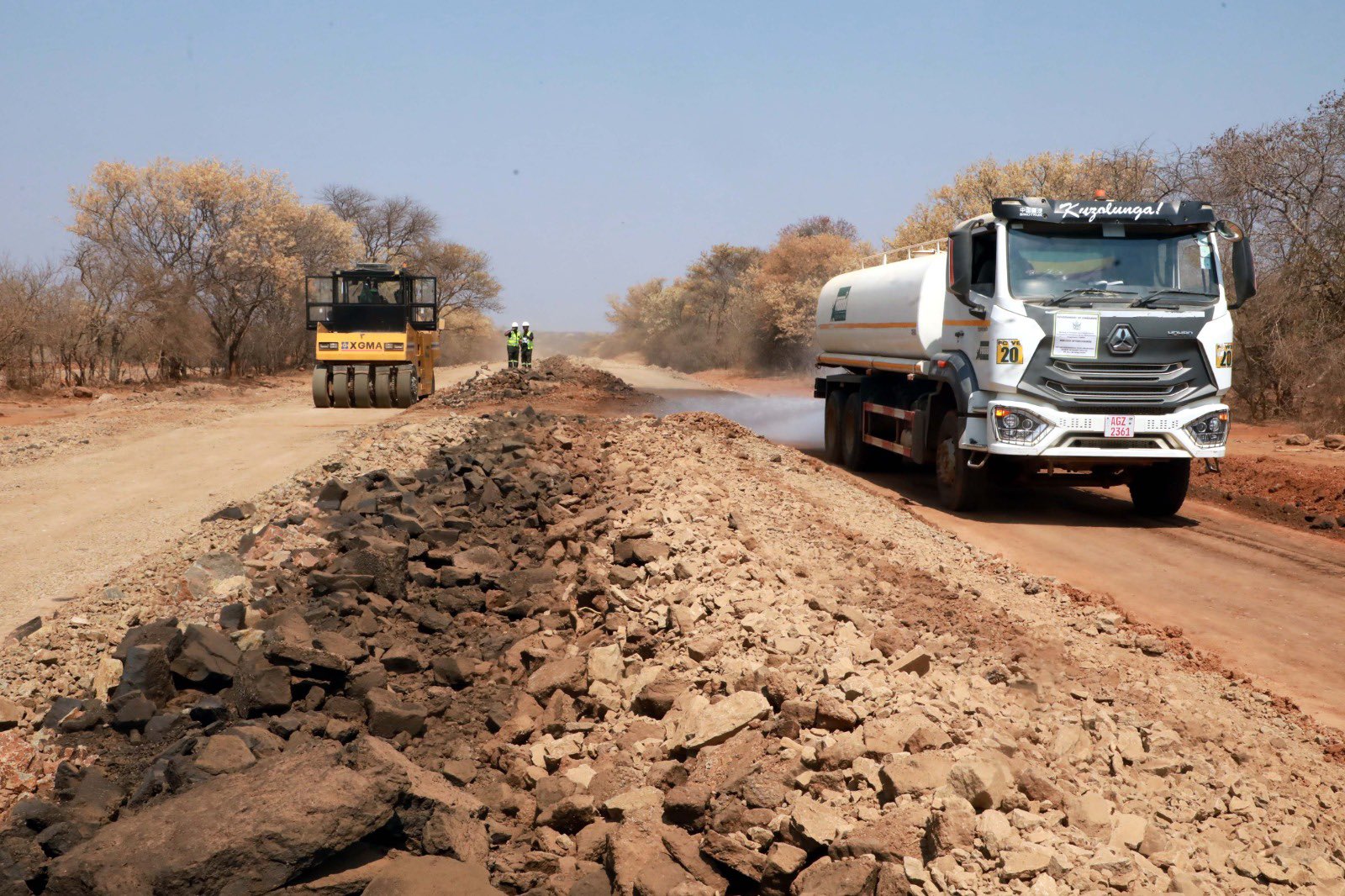
On his official X account, the Permanent Secretary for Information, Publicity and Broadcasting, Nick Mangwana, announced that the long-awaited roadworks were “progressing” in sequential 5km sections. He noted that three detours had been set up at Insuza, Jotsholo, and between Insuza and Mbembesi, with contractors at different stages of constructing detours and commencing works.
But instead of optimism, the update was met with outrage.
One respondent fired back:
“Bulawayo–Vic Falls distance is 435kms… So far only 15kms is being fixed based on your info. Chimbonyarara, pachine 430kms to go.”
Another motorist who recently drove through Jotsholo complained:
“The detour was a nightmare when I drove there. Which company is responsible for this?”
Critics pointed to the snail’s pace of rehabilitation, saying contractors were doing “5km in 5 weeks when you need to do 400km.” Others slammed the state of the temporary routes, describing them as dusty, poorly maintained, and disruptive to local communities.
One user lamented:
“The detours are dusty and not watered regularly. I wonder how the locals are affected. It’s just poorly implemented. Big shame.”
Questions have also been raised about workmanship, with fears that the project may be another case of substandard construction that will not last.
“Poor quality as always, won’t last even 5 years! Very thin without a good foundation. Never mind a concrete aggregate base. ,” wrote one critic.
The Bulawayo Victoria Falls road, spanning 435 kilometres, is a vital economic and tourism artery, linking Zimbabwe’s second-largest city with one of Africa’s premier destinations. Its dilapidated state has long been a source of frustration for motorists and business operators, who have repeatedly called for urgent and durable repairs.
Mangwana’s update, meant to showcase progress, has instead reignited debate about accountability, transparency, and standards in Zimbabwe’s public infrastructure projects.