


By Rex Mphisa
MATABELELAND South has laid down its five-year strategic plans central on practical people-initiated projects based on measured outcomes, transparency and accountability to improve lives of its 760 345 population.
The 2022 national census put Matabeleland South population at 760 with a density of 14 people per square kilometre and significant out-migration, especially among school leavers seeking jobs in neighboring countries.
The latest five-year plans were led by the President’s Department for Matabeleland South in a strategic plennary workshop in Bulawayo.
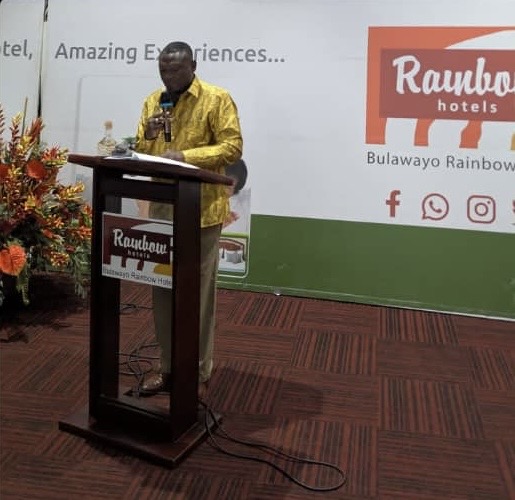
That meeting was officially opened by the the Minister of State for Provincial Affairs and Devolution Albert Nguluvhe.
He said the meeting provided an opportunity to review past perfomance under the National Development Strategy 1 (NDS1: 2021–2025) while strategically aligning future programmes with National Development Strategy 2 (NDS2: 2026–2030).
President Emmerson Mnangagwa recently llaunched NDS2 expected to deliver the country into an upper middle class economy.
Nguluvhe said the President’s department is central and key to the vision 2030.
It has a coordinating role in government, he said, describing the Department as the engine guiding and coordinating, ensuring performance across all ministries, departments, and agencies (MDAs).
“Strategic planning is not only a policy requirement but a critical driver in the realisation of Vision 2030, with the next five years being decisive in Zimbabwe’s journey toward upper middle-income economy status,” said Nguluvhe.
“There is need for a strong, practical, people-centered Strategic Plan that delivers measurable outcomes, promotes transparency, strengthens accountability, and results in tangible improvements in the lives of citizens, particularly in Matabeleland South Province,” he said.
Nguluvhe said it is important to modernise and digitalise solutions as well as have strong stakeholder engagement for inclusive development while robust monitoring and evaluation systems will score high performance and results-based governance.
Nguluvhe also urged participants to engage openly and constructively in the planning process, guided by unity of purpose, integrity, professionalism, and the development philosophy of inclusive, people-driven growth.
Earlier at rhe same meeting the Secretary for Provincial Affairs and Devolution Latiso Dlamini Maseko said the President’s Department should be exemplary.
“The President’s Department sits at the heart of Zimbabwe’s governance architecture, with a mandate to translate the President’s vision into actionable policies, ensure effective implementation of national strategies, and foster unity in provincial execution toward sustainable and inclusive development,” she said in her welcome remarks.
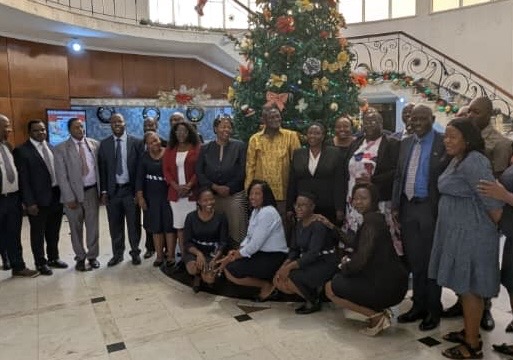
The workshop was attended by staff from the President’s department, Public Service Commission (PSC) facilitators, and representatives from Presidential Affairs.
Programme Directors made presentations outlining departmental successes, challenges, and strategic priorities.