


By Rex Mphisa
VILLAGERS from Mtetengwe in Beitbridge West have stopped deaths from the dreaded HIV/ Aids scourge, or at least its frequency, from their midst.
This sounds impossible from a natural or biological phenomenon.
Yet in reality, this is happening and some villagers from the area confirmed this during interviews by Ziyah News Network.
This was during a recent National Aids Council (NAC) of Zimbabwe facility tour of HIV/Aids interventions programmes in the village about 35 kilometres west of Beitbridge town.
The tour was a five-day leg in Matobo and Beitbridge districts, part of a broader Matabeleland South visit of NAC’s decentralized ongoing, district-level programmes to confront HIV/Aids and stop new infections by 2030.
The several projects include sexual reproductive health programmes across the province’s seven districts and were carefully selected to focus mainly on hotspots in Beitbridge, Bulilima, Gwanda, Insiza, Mangwe, Matobo, and Umzingwane districts.
NAC is Zimbabwe’s central HIV/Aids authority funded from the national Aids Levy to superintend over programmes to manage and eradicate the effects of the deadly infection and its method involve supporting local groups, civil societies, and community-led health programmes.
Under this scope it focuses social contracting programmes like behaviour change and peer-support projects.
The projects include the Sista2Sista model spread across all districts targeting on youth and female-oriented support.
But for Mtetengwe, it is the Community ART Refill Groups (CARG) programme embraced and effectively a game changer,,and a definite answer to unwanted deaths.
Antiretroviral drugs (ARVs) stop HIV-related deaths by blocking the virus from multiplying, which allows the body’s immune system to repair itself and fight off deadly infections.
By taking daily ARV medications (known as ART), people living with HIV can prevent the virus from progressing to AIDS and achieve a near-normal life expectancy.
CARG for Mtetengwe villagers means daily doses are possible because the supply is now seamless.
The community-driven initiative allowing groups of people living with HIV to pool resources, collectively collect their medication from health centres, and support each other in treatment adherence has brought relief to Mtetengwe.
In Beitbridge it was launched in 2024.
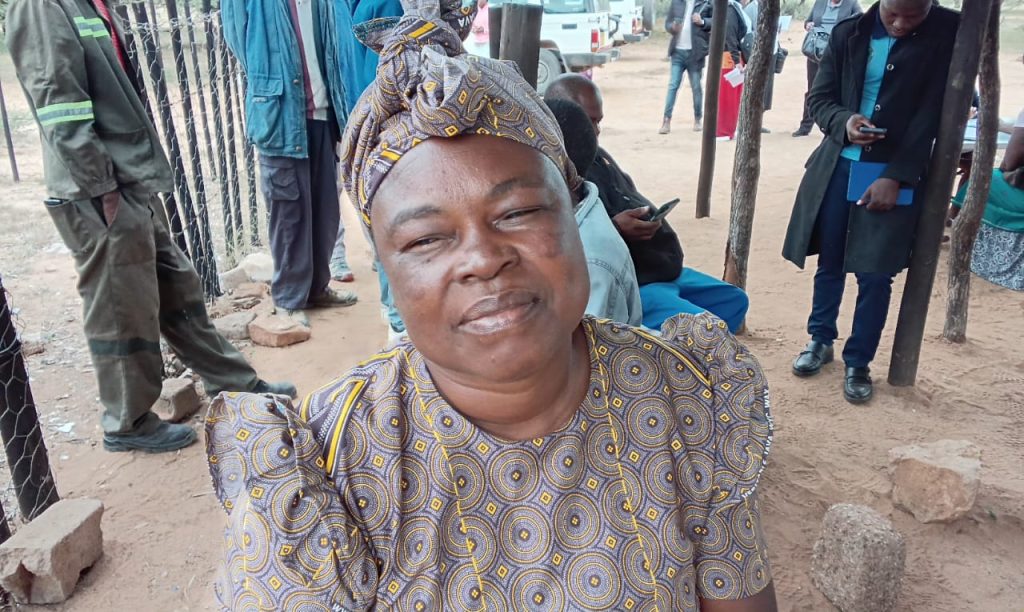
A beneficiary Florence Dube said the CRRG model had aswered many challenges.
“We had frequent deaths here because people on treatment defaulted big time. This was because of poverty and one failed to raise fares for Beitbridge to collect drugs. Now one person goes for all of us and we are well supplied. There is no excuse for defaulting,” she said.
CARG also removed stigma because when others openly collect their medication and meet regularly to share information, those who fear testing to know their statuses are encouraged, she said.
She said their CARG meetings gave birth to self-sustenance topics and an economic venture on chickens was started.
Dube who has been married for 15 years said the hope she had lost in life is back.
“My three children are in school. There is a lot of saving when only one person collects medication on behalf of the others,” she said.
Dube, from the Enock Muleya’s Tshambudzi Kraal is in a group comprising nine women and a single male and their chicken project is in its infancy.
Her husband is also on treatment and paying just R40 a month to have their medication collected has been a relief to her.
“Apart from saving, I have adequate time to do my chores and work in the gardens,” she said.
Her situation was confirmed by Village Head Siphiwe Muleya, 52, who said the village of 115 homes prior to adopting CARG, had very frequent funerals.
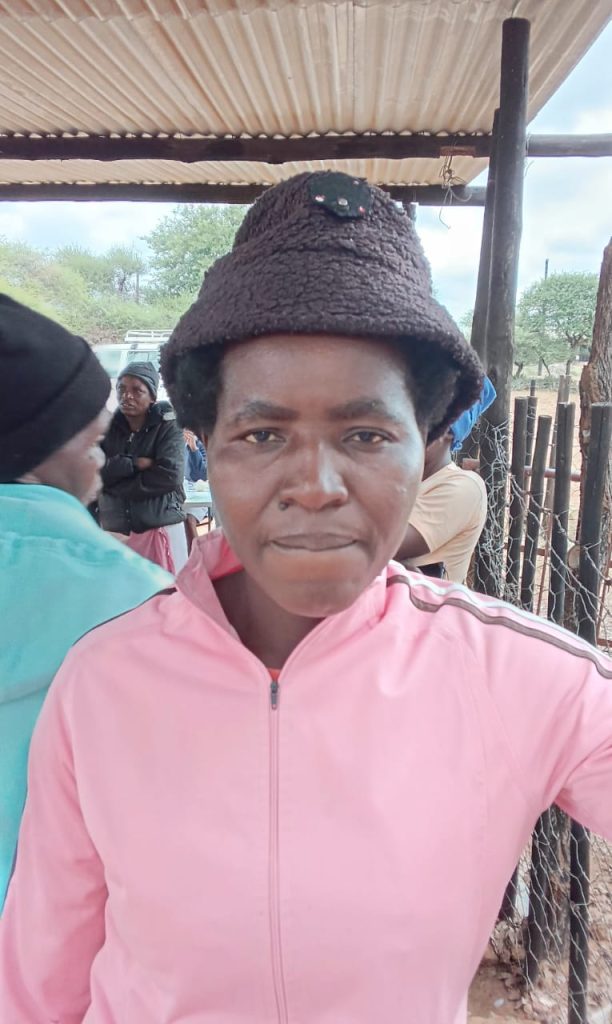
“We had many funerals, some people are shy to go to clinics and this helps them although I believe people should not be shy,” said Muleya.
“People no longer default because tablets are brought to them. People can do their work in their fields, life is normal again. The good thing is patients for other diseases are getting help. Its health at our doorsteps courtesy of NAC,” she said.
A non-patient Progress Mudau said the initiative by NAC has changed life for the better in the area.
“I am not in any of the groups but I see its a good initiative that has improved lives in our area,” he said.