


By Rex Mphisa
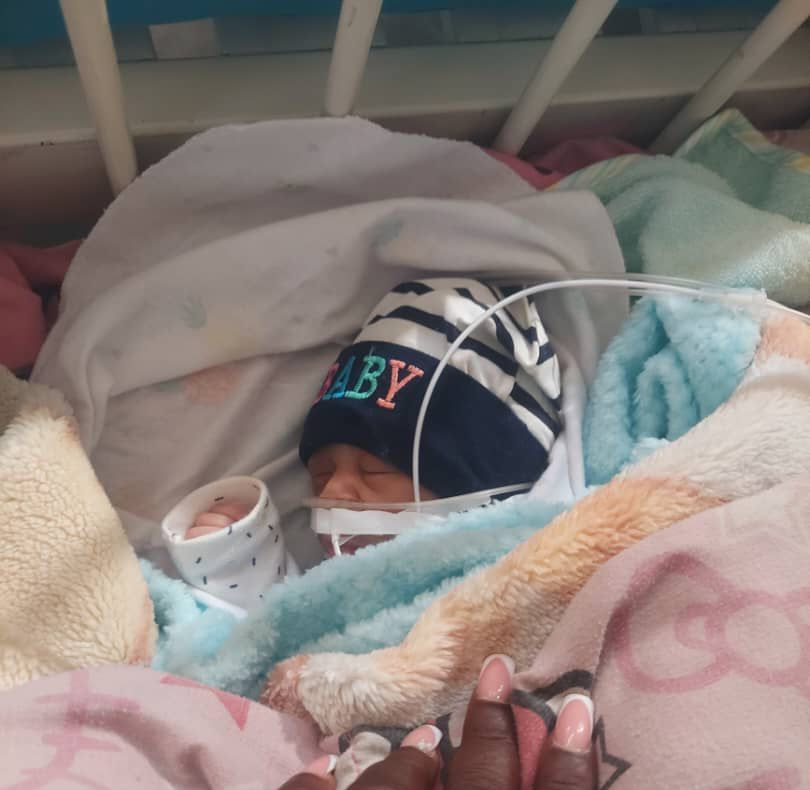
A healthy looking newly born child was picked near the Lutumba Toll Gate where the poor soul had been dumped by its unknown mother.A good Samaritan saw the infant who is now safe and enjoying a new lease of life at Beitbridge Rural District Hospital where it is under care.
“Yes it is true, we have the baby in children’s ward. She was initially unwell, but now is stable,” Beitbridge District Medical Officer Dr Linos Samhere said confirming the development.
Cases of baby dumping in Zimbabwe rose sharply soon after independence but stabilised when the HIV and Aids scourge swept across the country triggering use of protection.
But of late research shows an alarming rise in cases of abandoned and murdered newborns in Southern Africa which has become a pressing social issue.
In Zimbabwe, South Africa, and Zambia, countless innocent lives are reportedly lost each year due to the tragic practice of baby dumping and infanticide.
In Zimbabwe, the number of reported cases has been steadily increasing and according to other publications in 2023 alone, 63 cases were recorded, with the Midlands province leading the way.
The situation is similar in South Africa, where an estimated 3,500 babies are abandoned annually. Zambia has also witnessed a concerning number of such incidents.
“The reasons behind these heart-breaking acts are complex and multifaceted. Many young mothers, often facing unplanned pregnancies, resort to desperate measures to conceal their situation due to fear of societal rejection, financial constraints, or personal challenges,” a report by ZimNow said.
It also said the legalisation of abortion has not helped in South Africa as a significant number of abandoned children are being found already dead.
The majority of these tragic cases involve newborns and infants, often discarded in fields, dumping grounds, or public spaces.
Another Southern African country affected by the practice is Zambia which recorded 16 cases of baby dumping in the past two years.
Experts attribute this phenomenon to a combination of factors, including unplanned pregnancies, societal pressures, and limited access to contraceptives.