


By Patience Gondo
MORE than US$88 million raised from Zimbabwe’s sugar tax over the past two years is now being channelled into cancer treatment infrastructure.
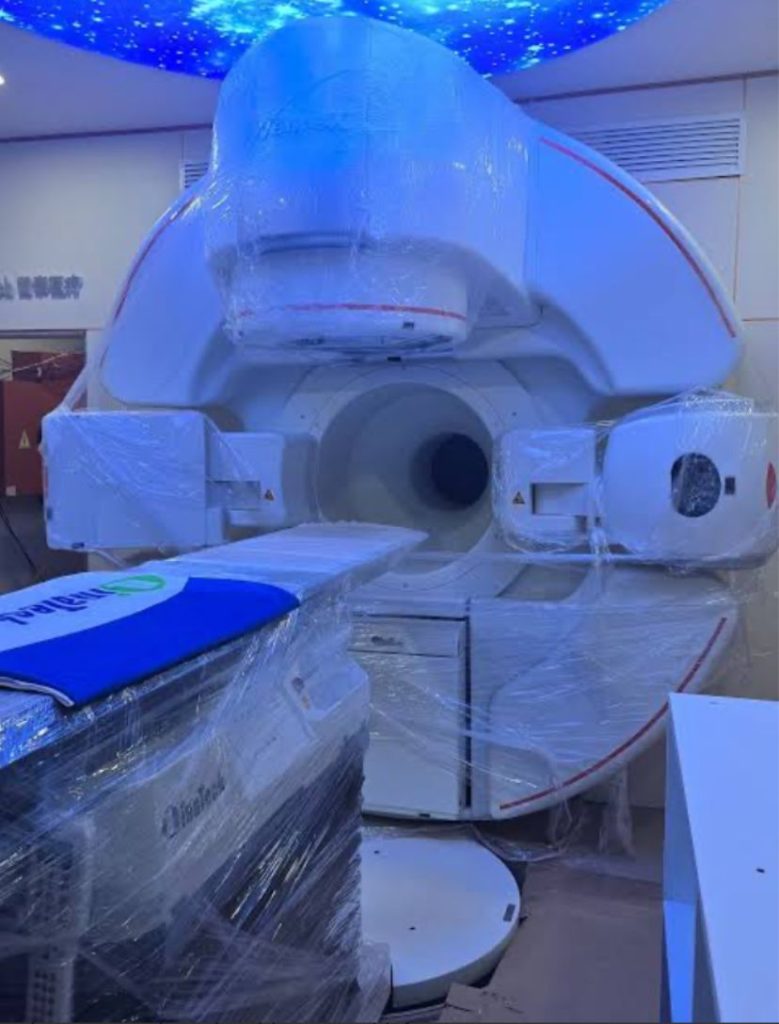
The newly installed radiotherapy equipment at Parirenyatwa Group of Hospitals marks the first major investment financed through the levy.
The equipment, funded through proceeds from the Special Surtax on Sugar Content introduced in the 2024 National Budget, represents the first phase of a broader government programme to modernise Zimbabwe’s cancer treatment system.
Finance, Economic Development and Investment Promotion Minister Professor Mthuli Ncube said the development demonstrated how targeted taxes can support critical public health priorities when revenues are protected from competing government demands.
Speaking during a joint tour of Parirenyatwa Group of Hospitals with Health and Child Care Minister Dr Douglas Mombeshora, Prof Ncube said cancer treatment had been prioritised under the levy.
“The levy is ring-fenced for health, with cancer treatment being the first priority,” he said.
Zimbabwe introduced the sugar tax in January 2024 as part of Treasury’s efforts to use health related taxes to both discourage excessive sugar consumption and generate revenue for public healthcare programmes.
The levy was initially set at US$0.002 per gramme of sugar contained in beverages but was later reduced to US$0.001 following concerns raised by beverage manufacturers over its impact on production costs.
Despite initial opposition from industry, the tax has become a significant source of revenue for government.
Treasury collected approximately US$29.2 million from the levy in 2024, with collections rising to about US$59.4 million in 2025.
Combined revenues have now surpassed US$88 million, providing funding for one of the largest investments in cancer treatment infrastructure undertaken in Zimbabwe in recent years.
The upgrades come as the country’s cancer treatment system continues to grapple with ageing equipment, treatment backlogs and limited access to specialised oncology services outside Harare and Bulawayo.
Dr Mombeshora said the installation of equipment at Parirenyatwa Group of Hospitals and Mpilo Central Hospital forms the first phase of a national cancer treatment upgrade programme.
The programme is expected to improve access to diagnosis and treatment services, reduce waiting times for patients and strengthen Zimbabwe’s capacity to respond to the growing burden of cancer and other non-communicable diseases.