


By McGeorge Mbare
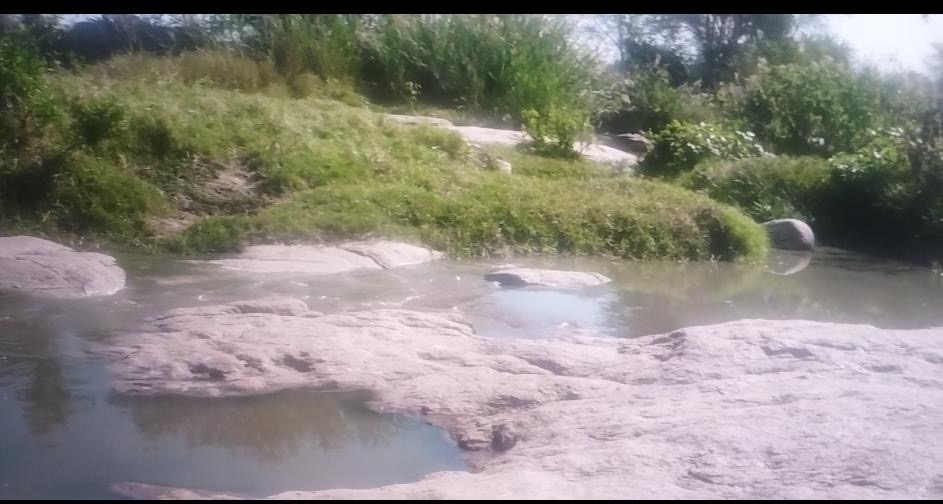
BEITBRIDGE Municipality faces allegations of discharging untreated sewage into the international Limpopo River, a move that would contravene both Zimbabwean environmental law and international water agreements.
It means the municipality is offloading raw sewage directly into the international waterway instead of treating effluent before disposal, as required by public health and environmental regulations.
This situation endangers local communities in Beitbridge East, including Mawale, which depend on the river as a source of consumption water.
The impact could also extend to parts of South Africa and Mozambique downstream.
Several attempts by Ziyah News Network to get a comment from Beitbridge Municipality were unsuccessful.
Officials offered no formal response, with dismissive remarks that appeared to show disregard for the environmental implications of releasing raw sewage into the river.
This pollution rests squarely on the Engineering Department of Beitbridge Municipality whose director Engineer Douglas Siphuma said he would only speak with permission from the Town Clerk Loud Ramakgapola.
“I am in a meeting but ask the town clerk to allow me to comment,” Siphuma said.
Ramakgapola said videos he was shown could be any other river besides the Limpopo.
“How do I know its the Limpopo River and sewage from us from that fotage,” he said.
Pollution of the Limpopo River carries serious risks for people, ecosystems, and the economy. The impacts may extend far downstream from the source.
Environmental experts warn that toxic chemicals in untreated sewage can kill fish and other aquatic life. Contaminated water may also carry bacteria and viruses, increasing the risk of waterborne diseases for communities that depend on the river.
Environmental Management Agency Provincial Manager for Matabeleland South, Decent Ndlovu, said his office had not been formally notified of the situation.
“We are not aware of the situation and no communication has been made about it. We will engage the relevant authorities and look into the matter.
Proper procedures will be taken because, if it is happening, it is a serious situation that needs to be addressed,” Ndlovu said.
He said the Limpopo is a shared water body governed by a bilateral agreement meant to protect it from pollution.
Zimbabwe is a member of several river basin organizations and agreements, including the Limpopo Watercourse Commission (LIMCOM), the Zambezi Watercourse Commission (ZAMCOM), and the Buzi, Pungwe, and Save Watercourses Commission (BUPUSACOM).
The country is also a signatory to the 2000 Southern African Development Community’s (SADC) Revised Protocol on Shared Watercourses.
Zimbabwe’s accession to the UN Water Convention further strengthens cooperation on shared waters, climate adaptation, and disaster resilience.
The allegations against Beitbridge Municipality highlight the urgent need for accountability and stronger enforcement of environmental regulations.
With the Limpopo River serving as a lifeline for multiple countries, pollution at its source could have ripple effects far beyond Zimbabwe’s borders.