


By McGeorge Mbare
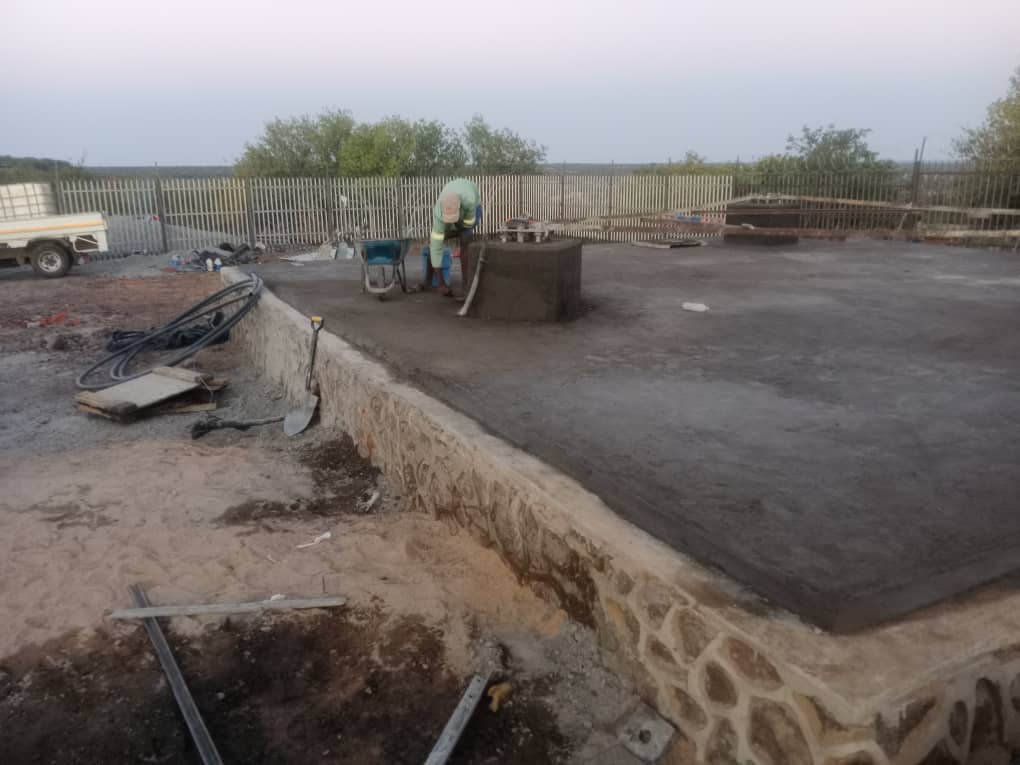
THE construction of a NetOne network booster is currently underway at Shashe Ward 8, Number 11 Village, in the Beitbridge West constituency.
Network development is part of the presidential scheme projects which marks a significant step toward improving connectivity in a region that has remained isolated from Zimbabwean local networks since independence.
For decades, residents of Beitbridge West in places such as Shashe, Jakukange, Iphai, Masera, and Limpopo have relied on foreign networks such as Botswana’s Orange and South Africa’s MTN, Vodacom and Telkom due to the absence of local coverage.
The new NetOne booster aims to change that, offering a reliable local alternative and strengthening communication within the community.
In an interview with Ziyah News Network, Beitbridge West Member of Parliament Thusani Masita Ndou confirmed the project is progressing smoothly.
He said the development aligns with President Emmerson Dambudzo Mnangagwa’s policy of ensuring that no community is left behind in accessing essential services.
“The construction of the NetOne booster is progressing very well, as expected. This booster will serve a huge purpose in the Beitbridge West constituency. We are leaving no one and no place behind, as His Excellency President Mnangagwa always says,” Ndou said.
The booster, built on a kopje at Shashe Number 11, is expected to provide coverage over a 60km radius. Once completed, it will serve villages including Shashe, Jakukange, Limpopo, Swereki, Toporo, Iphai and many others across Beitbridge West.
Ndou said improved network connectivity will enhance e-learning opportunities for learners in local schools such as Shashe secondary, Swereki and Limpopo primary by providing more reliable access to digital educational resources.
The development is seen as a milestone in bridging the digital divide and ensuring that residents of Beitbridge West are no longer cut off from Zimbabwe’s local networks.
Border and outlying areas in Zimbabwe face severe telecommunications challenges, with residents often relying on foreign mobile networks (e.g., from South Africa or Mozambique). These connectivity blackouts and signal issues are caused by the following primary factors: