


By Ziyah News Reporter
The latest Disease Surveillance Report from the Ministry of Health and Child Care reveals a grim reality for Zimbabwe, a staggering 7,335 cases of common diarrhoea were documented in the week ending November 17, 2024, accompanied by two tragic deaths.
With 41.5% of these cases affecting children under five years old and the highest incidences recorded in Mashonaland East and Central provinces, it prompts an urgent examination of the underlying factors contributing to this public health emergency. Chief among these is the inadequate distribution of clean tap water.
The deaths reported at Sally Mugabe Central Hospital in Harare and Chegutu highlight the vulnerability of our healthcare system to outbreaks that could be mitigated with better infrastructure and access to safe drinking water.
The cumulative figures for this year 321,837 cases and 162 deaths paint a shocking picture of a nation grappling with preventable waterborne diseases at a time when access to clean water should be a basic right for all citizens.
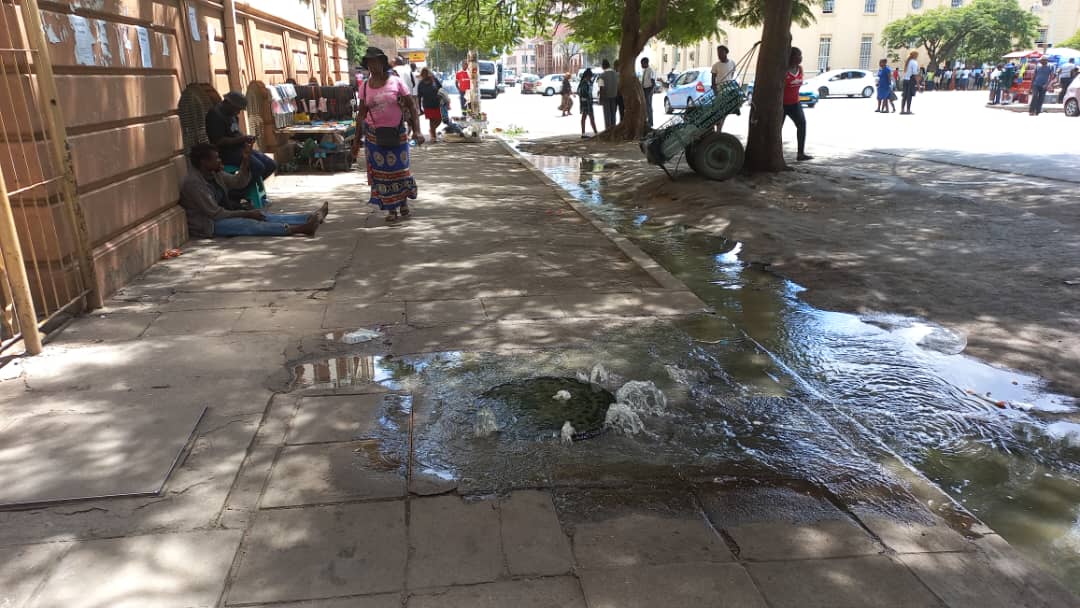
Several interlinked factors are fueling this water crisis. Aging and poorly maintained infrastructure has resulted in regular water shortages in urban centers and rural areas alike. The government’s inability to invest adequately in water supply systems over the years manifests in the daily hardships faced by citizens, who often resort to unsafe water sources, leading to a spike in diseases.
The situation is particularly dire in provinces like Mashonaland East and Central, which recorded the highest cases of diarrhoea.
The numbers are not just statistics; they tell stories of families mourning lost children and communities enduring untold suffering. The disproportionate impact on children under five years 3,042 cases last week reflects a human tragedy that merits immediate and concerted action.
This alarming public health crisis highlights a pressing need for systemic accountability. Water management should not be treated as a peripheral issue, but rather as an integral aspect of public health policy and governance.
Moreover, public awareness campaigns about hygiene practices can complement infrastructural changes and create a more robust defense against waterborne diseases. The health sector’s role must extend beyond treating sickness to focus on preventive measures that protect public health.
The rise in common diarrhoea cases serves as a wake-up call to leaders and citizens alike to confront the shortcomings in our water management systems. Every citizen deserves access to clean, safe drinking water a right that is still out of reach for many. communities.